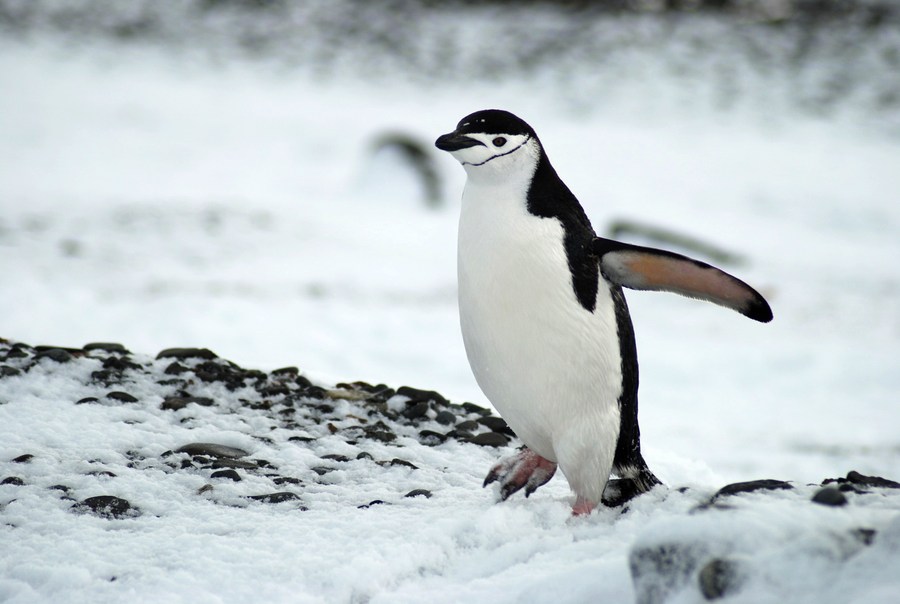
The photo taken on Jan. 15, 2008 shows a Chinstrap penguin near the Changcheng Station on the Antarctica. (Xinhua/Zhang Jiansong)
The current erect-crested penguins sacrifice the first egg since they cannot provide enough food for two hatchlings. The first egg may be small because it forms as the female migrates to the island, while the second egg, formed on land, has fewer constraints and grows larger, the study showed.
WELLINGTON, Oct. 13 (Xinhua) -- A new analysis of old data suggests that the endangered erect-crested penguin's bizarre nesting habit -- rejecting the first egg they lay -- is because they can't feed two chicks, and the second, larger egg has a better chance of success.
Lloyd Davis of the University of Otago in New Zealand and his colleagues described these findings and their implications for penguin conservation in the online journal PLOS ONE published on Thursday.
The numbers of erect-crested penguins have declined sharply in the last 50 years, impacted by climate change, with storms and mudslides in recent decades wiping out parts of colonies, and killing nesting penguins.
The data about the endangered penguin's highly unusual breeding habits used in the study was collected in 1998 by Davis and his two colleagues, as these observations are still the most recent and most extensive data collected on erect-crested penguins, according to the researchers.
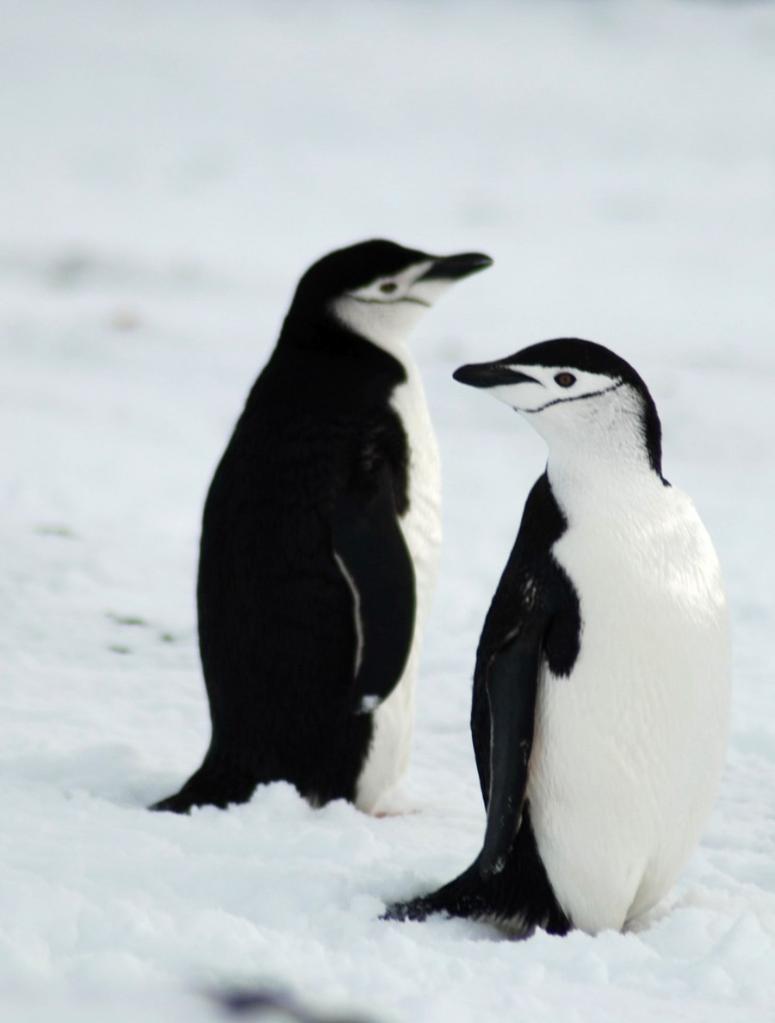
The photo taken on Jan. 15, 2008 shows Chinstrap penguins near the Changcheng Station on the Antarctica. (Xinhua/Zhang Jiansong)
Erect-crested penguins lay more eggs than they can rear. They lay a smaller first egg, followed by a larger second egg around five days later. Davis' team found that the first egg typically is lost from the nest either before or soon after the second egg is laid, and parents sometimes deliberately break or eject the egg.
The researchers suspect that erect-crested penguins retain the reproductive habits of their ancestors, which laid and hatched two eggs. Current birds sacrifice the first egg since they cannot provide enough food for two hatchlings. The first egg may be small because it forms as the female migrates to the island, while the second egg, formed on land, has fewer constraints and grows larger.
This odd behavior is accompanied by surprising fluctuations in the penguins' hormone levels, researchers cautioned, calling for greater research attention and conservation efforts for erect-crested penguins.■