
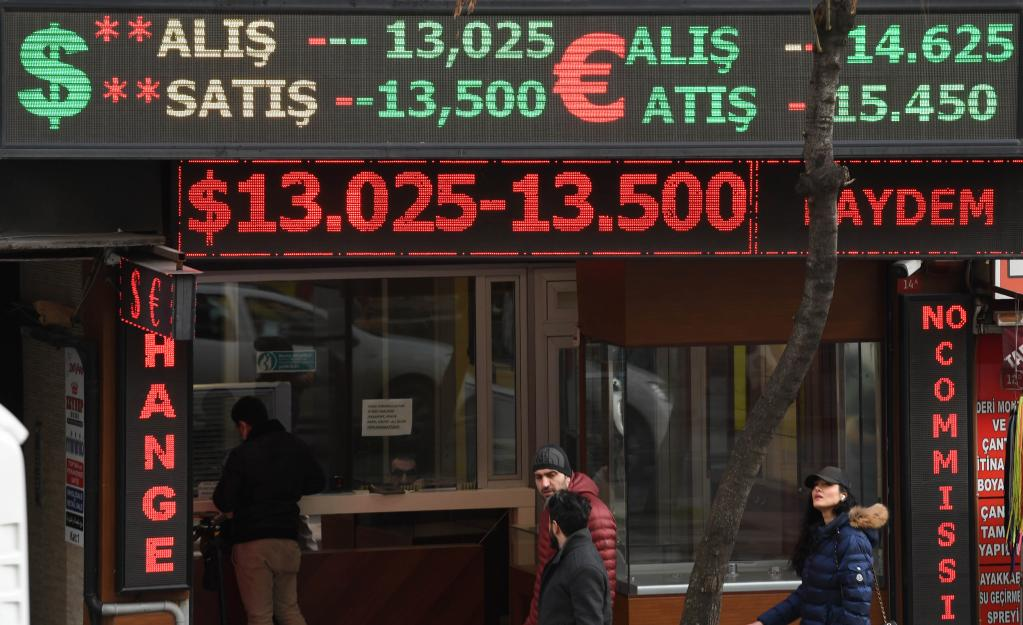
People walk past a foreign exchange office in Istanbul, Turkey, on Jan. 3, 2022. (Xinhua/Shadati)
ISTANBUL, Jan. 4 (Xinhua) -- A series of price hikes in natural gas, electricity, and petrol have further strained the livelihood of Turkish people, who are already mired in soaring inflation and national currency depreciation.
At the start of the new year, electricity prices went up by 50 percent for lower-demand households and 125 percent for high-demand commercial users.
Natural gas prices jumped by 25 percent for residential use and 50 percent for industrial use, while petrol prices rose by more than half a lira (about 0.037 U.S. dollars) per liter, and diesel prices increased by 1.29 liras (about 0.097 dollars).
The bridge tolls over the Bosphorus strait in Turkey's biggest city, Istanbul, also saw fresh hikes.
The country has long been battling against high inflation, which skyrocketed by 36.08 percent year-on-year in December, the highest in 19 years.
"The middle class has disappeared. People are going towards impoverishment," Semih Saribas, a 24-year-old radiology technician, told Xinhua at Istanbul's busiest Harbiye neighborhood.
Saribas has been looking for a decent job, but yet got no good news.
"I really don't have any expectation for 2022. That is the case not just for me, but anyone at my age," Saribas said, talking about the growing pessimism among Turks.
"We as young people do not expect anything from the future anymore," he said.
The Turkish lira lost 44 percent of its value last year due to consecutive policy rate cuts by the central bank in line with President Recep Tayyip Erdogan's low rate policy. One dollar was traded at 13.30 liras in the morning trading on Tuesday.
Mehmet Kalafat, a private driver, said he found the recent hikes in energy prices "very exorbitant."
"The raises are too high compared to our income," Kalafat told Xinhua.
Referring to the rising gasoline prices and bridge tolls, he said, "Probably we will walk everywhere from now on, or we won't be able to drive."
Kalafat also remarked that his son's school bus fee was increased by 100 liras (about 7.52 dollars) per month on Monday and hit 450 liras (about 33.83 dollars) for the shortest distance.
"There is no light at the end of the tunnel. We see darkness. There used to be a ray of light. Now it's gone as well," he said.
Yeter Yigit, a housewife, particularly lamented the skyrocketing natural gas price.
"We use natural gas (for heating), and the bills are very high. If we paid 350 liras (about 26.31 dollars) last month, I guess we will be paying 500 liras (about 37.59 dollars) this month. I don't know," she told Xinhua.
Meanwhile, on Monday, Erdogan vowed to reduce the country's inflation back to a single-digit level as soon as possible.
"Whatever the reason is, we are in sorrow that our citizens are facing with such a picture," the president said at a press conference after a cabinet meeting, speaking of the high inflation.
The government increased the salaries of civil servants by 30.5 percent and pensioners by 25.48 percent. The minimum pensioner wage is determined as 2,500 liras (about 187.94 dollars). Enditem
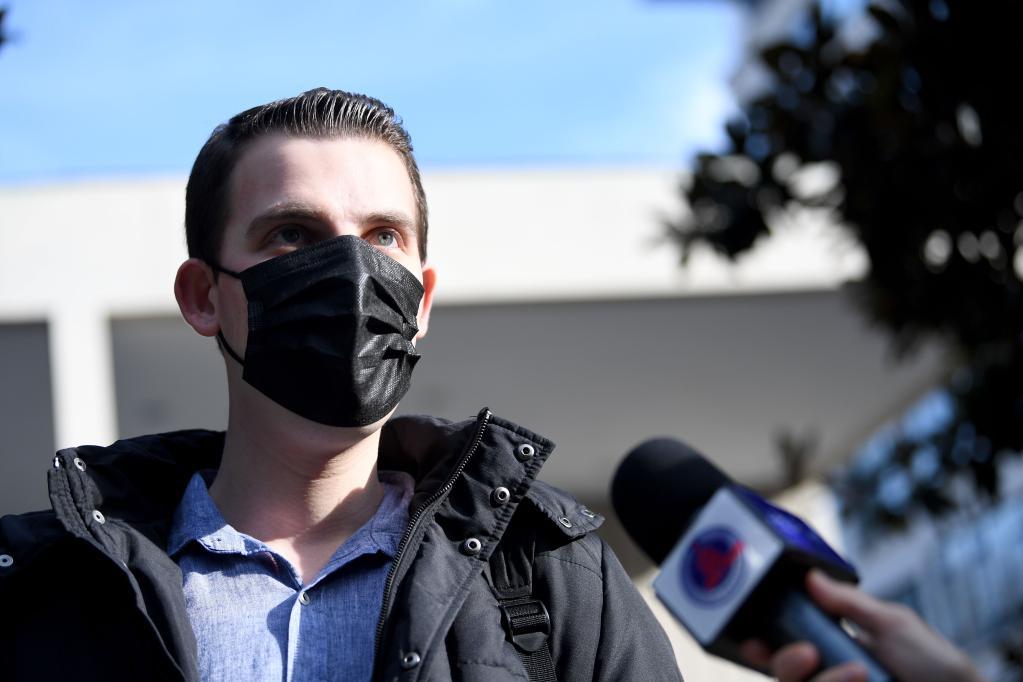
Semih Saribas, a 24-year-old radiology technician, is interviewed in Istanbul, Turkey, on Jan. 3, 2022. (Xinhua/Shadati)
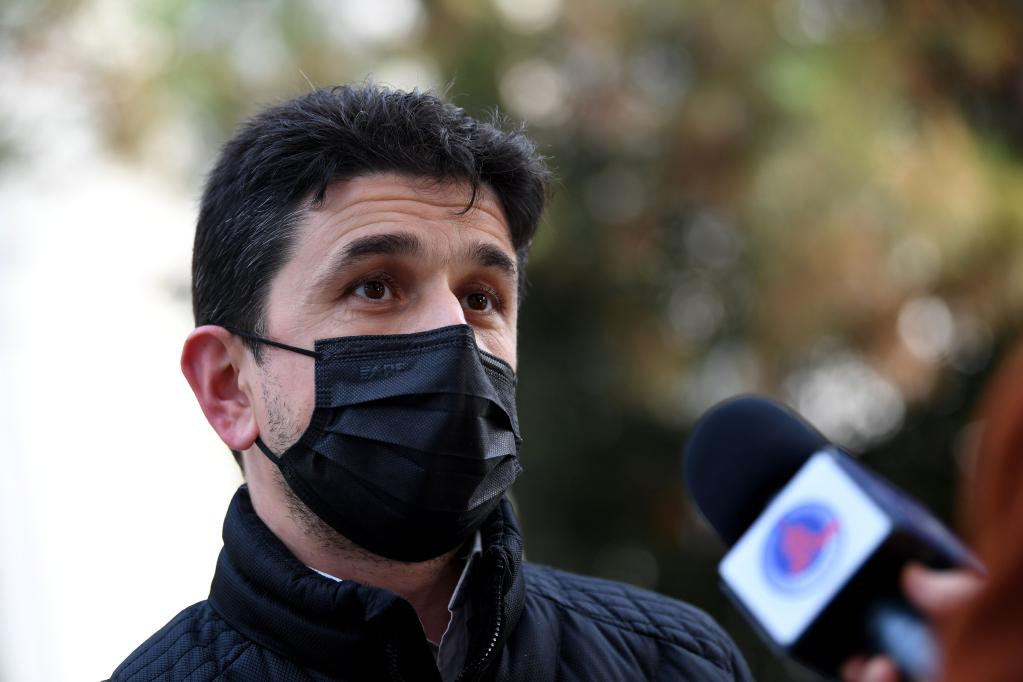
Mehmet Kalafat, a private driver, is interviewed in Istanbul, Turkey, on Jan. 3, 2022. (Xinhua/Shadati)
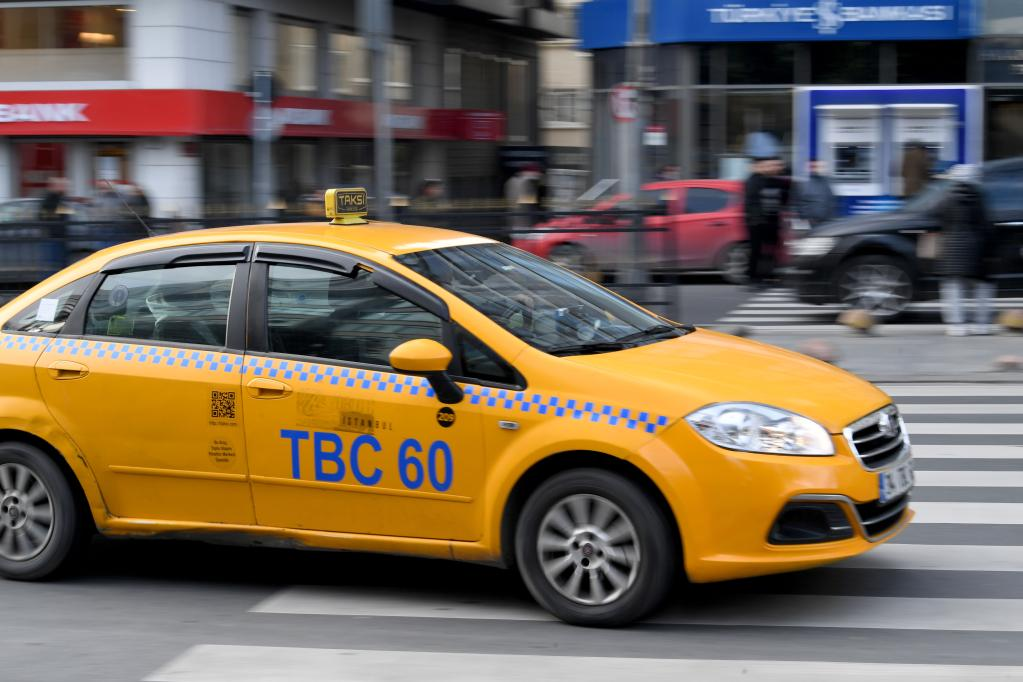
A taxi drives on a street in Istanbul, Turkey, on Jan. 3, 2022. (Xinhua/Shadati)
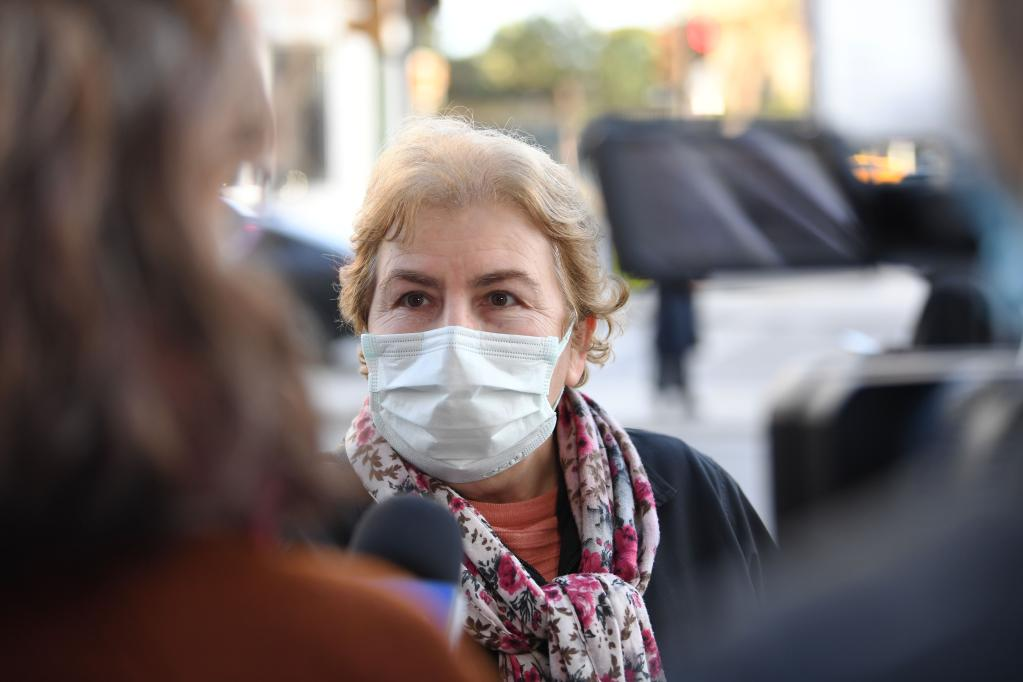
Yeter Yigit, a housewife, is interviewed in Istanbul, Turkey, on Jan. 3, 2022.(Xinhua/Shadati)
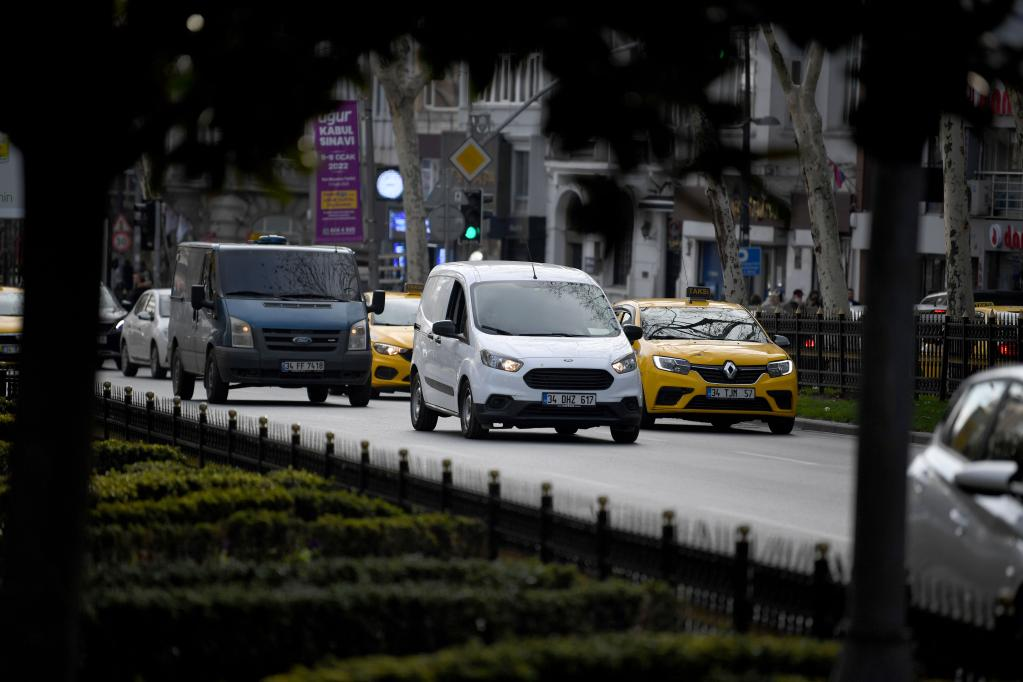
Vehicles drive on a street in Istanbul, Turkey, on Jan. 3, 2022. (Xinhua/Shadati)


