
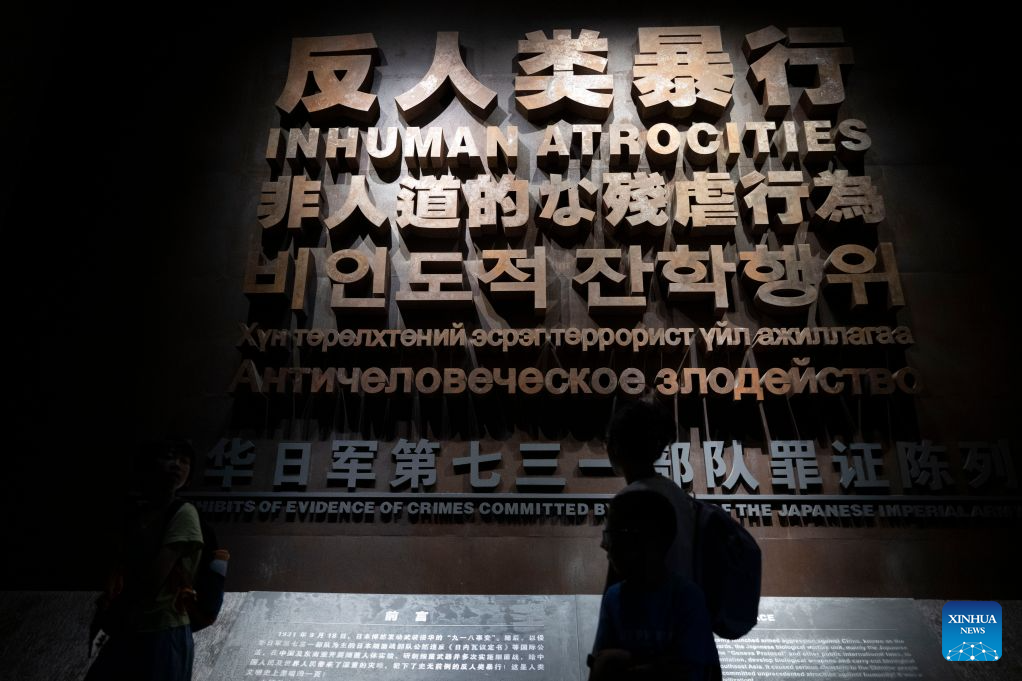
People visit the Exhibition Hall of Evidences of Crime Committed by Unit 731 of the Japanese Imperial Army in Pingfang District of Harbin, northeast China's Heilongjiang Province, Aug. 4, 2026. During the summer vacation, the Exhibition Hall of Evidences of Crime Committed by Unit 731 of the Japanese Imperial Army has greeted lots of visitors.
People tour the exhibition hall to view archival evidence exposing the germ warfare crimes perpetrated by notorious Japanese Unit 731 during World War II.
Unit 731 was a top-secret biological and chemical warfare research base established as the nerve center for Japanese biological warfare in China and Southeast Asia during WWII. At least 3,000 people were used in human experiments conducted by Unit 731, and more than 300,000 people in China were killed by Japan's biological weapons. (Xinhua/Zhang Tao)
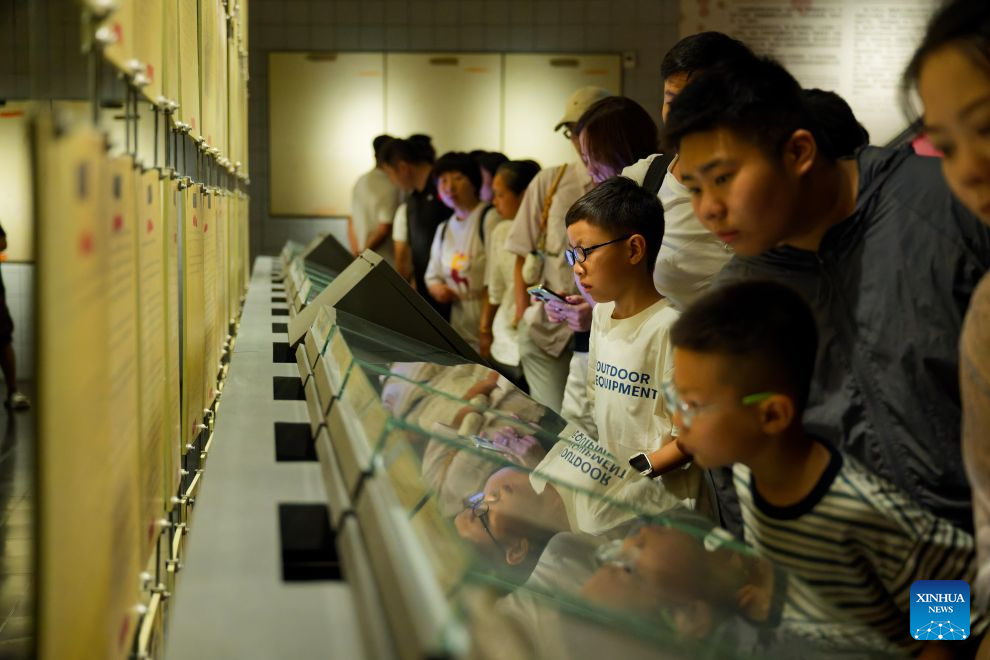
People visit the Exhibition Hall of Evidences of Crime Committed by Unit 731 of the Japanese Imperial Army in Pingfang District of Harbin, northeast China's Heilongjiang Province, Aug. 4, 2026. During the summer vacation, the Exhibition Hall of Evidences of Crime Committed by Unit 731 of the Japanese Imperial Army has greeted lots of visitors.
People tour the exhibition hall to view archival evidence exposing the germ warfare crimes perpetrated by notorious Japanese Unit 731 during World War II.
Unit 731 was a top-secret biological and chemical warfare research base established as the nerve center for Japanese biological warfare in China and Southeast Asia during WWII. At least 3,000 people were used in human experiments conducted by Unit 731, and more than 300,000 people in China were killed by Japan's biological weapons. (Xinhua/Zhang Tao)
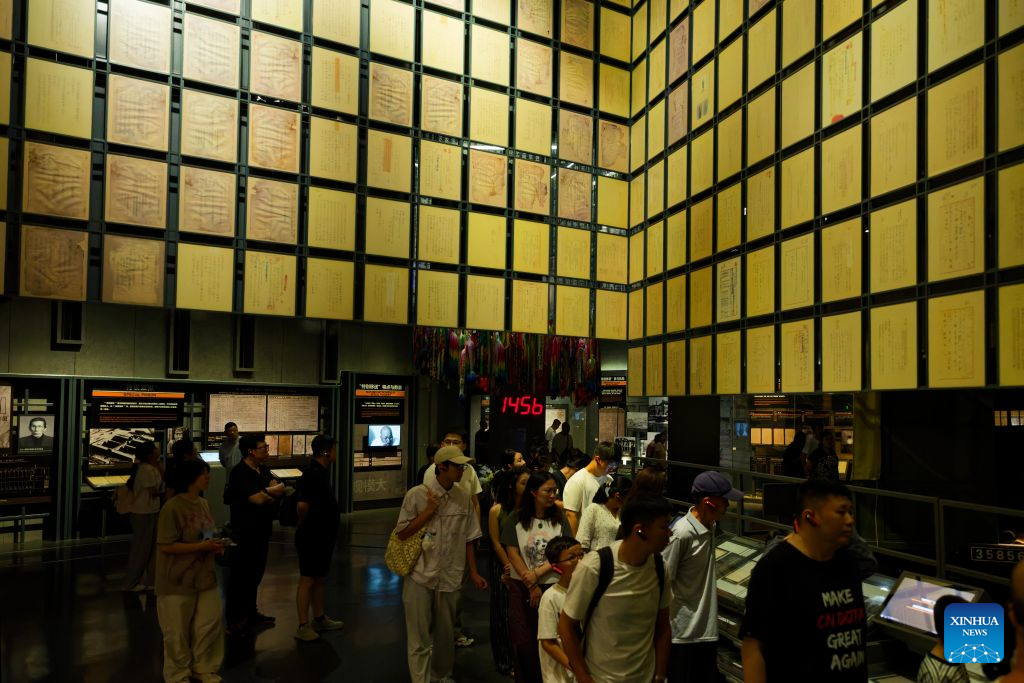
People visit the Exhibition Hall of Evidences of Crime Committed by Unit 731 of the Japanese Imperial Army in Pingfang District of Harbin, northeast China's Heilongjiang Province, Aug. 4, 2026. During the summer vacation, the Exhibition Hall of Evidences of Crime Committed by Unit 731 of the Japanese Imperial Army has greeted lots of visitors.
People tour the exhibition hall to view archival evidence exposing the germ warfare crimes perpetrated by notorious Japanese Unit 731 during World War II.
Unit 731 was a top-secret biological and chemical warfare research base established as the nerve center for Japanese biological warfare in China and Southeast Asia during WWII. At least 3,000 people were used in human experiments conducted by Unit 731, and more than 300,000 people in China were killed by Japan's biological weapons. (Xinhua/Zhang Tao)
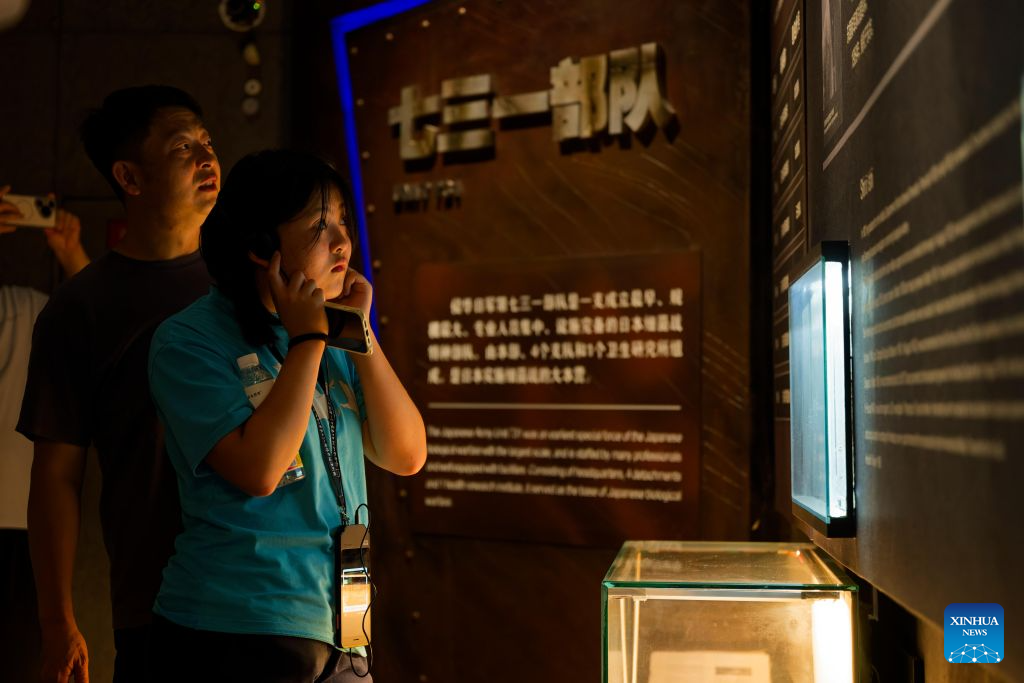
People visit the Exhibition Hall of Evidences of Crime Committed by Unit 731 of the Japanese Imperial Army in Pingfang District of Harbin, northeast China's Heilongjiang Province, Aug. 4, 2026. During the summer vacation, the Exhibition Hall of Evidences of Crime Committed by Unit 731 of the Japanese Imperial Army has greeted lots of visitors.
People tour the exhibition hall to view archival evidence exposing the germ warfare crimes perpetrated by notorious Japanese Unit 731 during World War II.
Unit 731 was a top-secret biological and chemical warfare research base established as the nerve center for Japanese biological warfare in China and Southeast Asia during WWII. At least 3,000 people were used in human experiments conducted by Unit 731, and more than 300,000 people in China were killed by Japan's biological weapons. (Xinhua/Zhang Tao)
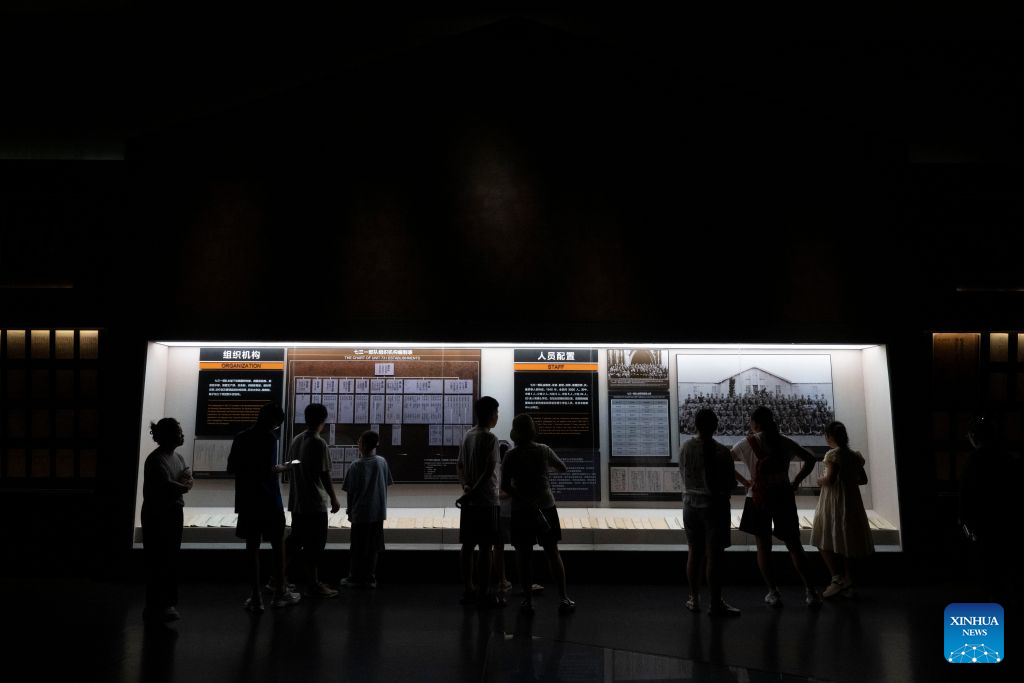
People visit the Exhibition Hall of Evidences of Crime Committed by Unit 731 of the Japanese Imperial Army in Pingfang District of Harbin, northeast China's Heilongjiang Province, Aug. 4, 2026. During the summer vacation, the Exhibition Hall of Evidences of Crime Committed by Unit 731 of the Japanese Imperial Army has greeted lots of visitors.
People tour the exhibition hall to view archival evidence exposing the germ warfare crimes perpetrated by notorious Japanese Unit 731 during World War II.
Unit 731 was a top-secret biological and chemical warfare research base established as the nerve center for Japanese biological warfare in China and Southeast Asia during WWII. At least 3,000 people were used in human experiments conducted by Unit 731, and more than 300,000 people in China were killed by Japan's biological weapons. (Xinhua/Zhang Tao)
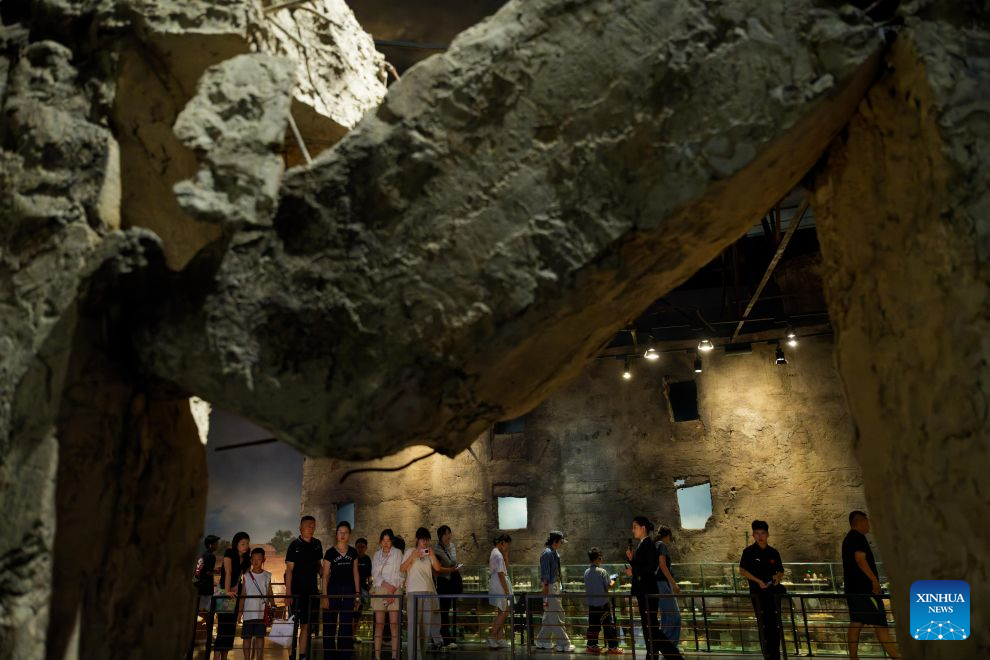
People visit the Exhibition Hall of Evidences of Crime Committed by Unit 731 of the Japanese Imperial Army in Pingfang District of Harbin, northeast China's Heilongjiang Province, Aug. 4, 2026. During the summer vacation, the Exhibition Hall of Evidences of Crime Committed by Unit 731 of the Japanese Imperial Army has greeted lots of visitors.
People tour the exhibition hall to view archival evidence exposing the germ warfare crimes perpetrated by notorious Japanese Unit 731 during World War II.
Unit 731 was a top-secret biological and chemical warfare research base established as the nerve center for Japanese biological warfare in China and Southeast Asia during WWII. At least 3,000 people were used in human experiments conducted by Unit 731, and more than 300,000 people in China were killed by Japan's biological weapons. (Xinhua/Zhang Tao)
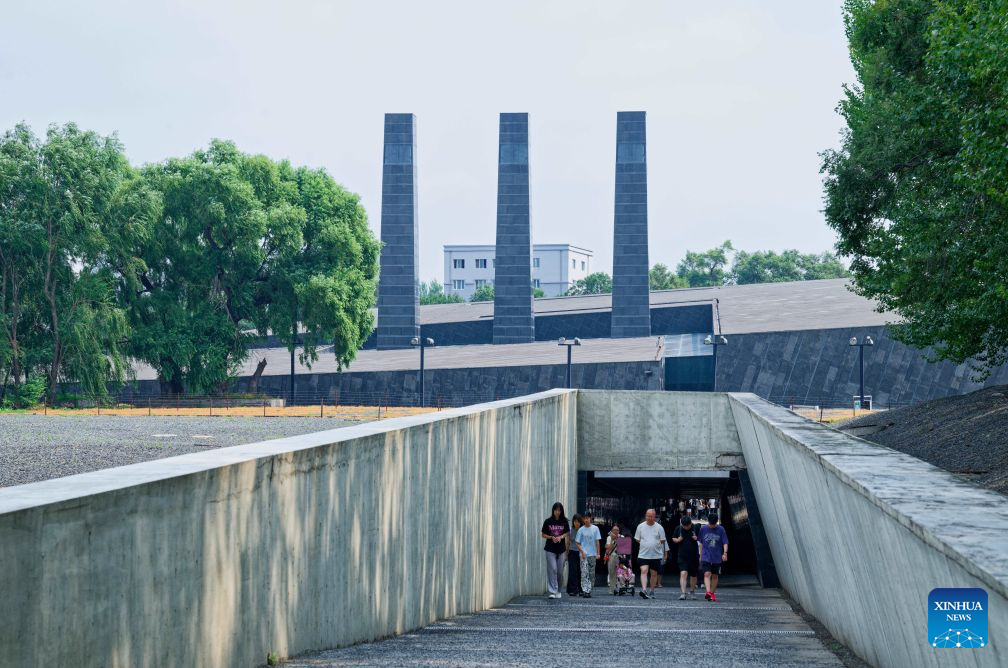
People walk out of the Exhibition Hall of Evidences of Crime Committed by Unit 731 of the Japanese Imperial Army in Pingfang District of Harbin, northeast China's Heilongjiang Province, Aug. 4, 2026. During the summer vacation, the Exhibition Hall of Evidences of Crime Committed by Unit 731 of the Japanese Imperial Army has greeted lots of visitors.
People tour the exhibition hall to view archival evidence exposing the germ warfare crimes perpetrated by notorious Japanese Unit 731 during World War II.
Unit 731 was a top-secret biological and chemical warfare research base established as the nerve center for Japanese biological warfare in China and Southeast Asia during WWII. At least 3,000 people were used in human experiments conducted by Unit 731, and more than 300,000 people in China were killed by Japan's biological weapons. (Xinhua/Zhang Tao)
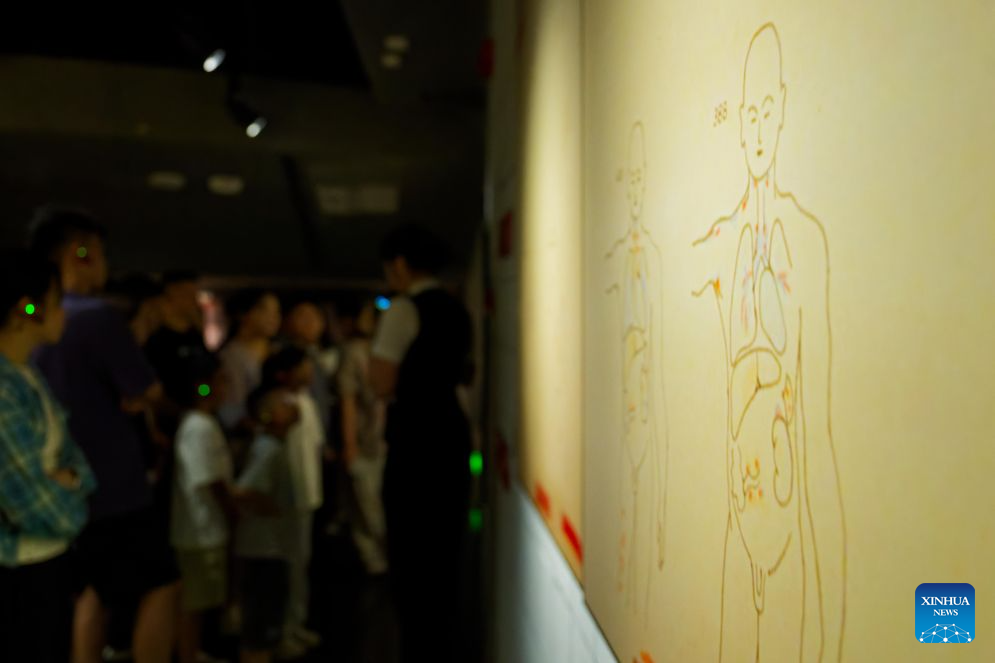
People visit the Exhibition Hall of Evidences of Crime Committed by Unit 731 of the Japanese Imperial Army in Pingfang District of Harbin, northeast China's Heilongjiang Province, Aug. 4, 2026. During the summer vacation, the Exhibition Hall of Evidences of Crime Committed by Unit 731 of the Japanese Imperial Army has greeted lots of visitors.
People tour the exhibition hall to view archival evidence exposing the germ warfare crimes perpetrated by notorious Japanese Unit 731 during World War II.
Unit 731 was a top-secret biological and chemical warfare research base established as the nerve center for Japanese biological warfare in China and Southeast Asia during WWII. At least 3,000 people were used in human experiments conducted by Unit 731, and more than 300,000 people in China were killed by Japan's biological weapons. (Xinhua/Zhang Tao)


