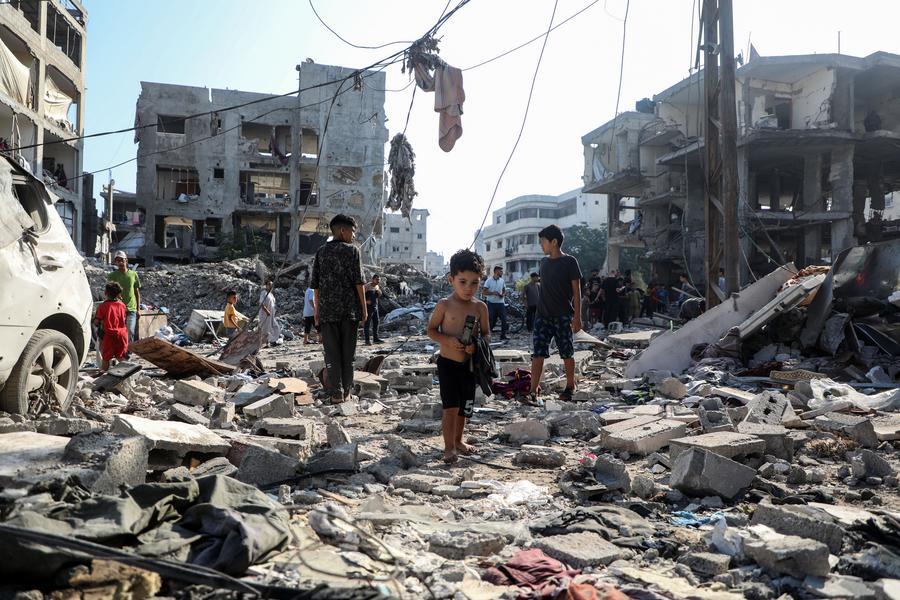
GAZA, July 31 (Xinhua) -- Hamas has approved the final draft of a roadmap to complete the implementation of the second phase of the Gaza ceasefire agreement, marking a significant step forward in negotiations after more than two and a half years of conflict in the enclave.
However, analysts caution that the agreement's success ultimately hinges on its implementation, and challenges to peace in the strip still loom as major differences between Israel and Hamas remain over key issues, including weapons, Israel's withdrawal, and Gaza's future governance.
AN IMPORTANT STEP
A draft of the second phase, released by Palestinian outlets, outlines political, security and administrative arrangements, including transferring the administration of Gaza to a Palestinian national committee, restructuring civilian and security institutions, implementing a phased Israeli withdrawal, and launching a reconstruction program under Palestinian and international supervision.
Hamas said on Friday that it had accepted the mediators' roadmap to complete the implementation of the second phase, describing the decision as part of its commitment to the interests of the Palestinian people.
On Thursday, U.S. President Donald Trump said the so-called "Board of Peace" had reached an agreement for the "complete disarmament" of Hamas and other armed groups in Gaza.
In a later statement, Hamas noted that progress in implementing the second phase remains conditional on an end to Israeli military operations and the fulfillment of commitments under the first phase of the agreement.
It added that discussing heavy weapons during the second phase does not constitute immediate disarmament but is linked to conditions including a full Israeli withdrawal from the Gaza Strip, the start of reconstruction, the deployment of an international force and guarantees for the Palestinian people's right to self-determination.
"The ball is now in Israel's court" to fulfill its obligations, Hamas political bureau member Basem Naim said.
AN ADAPTATION TO REALITIES
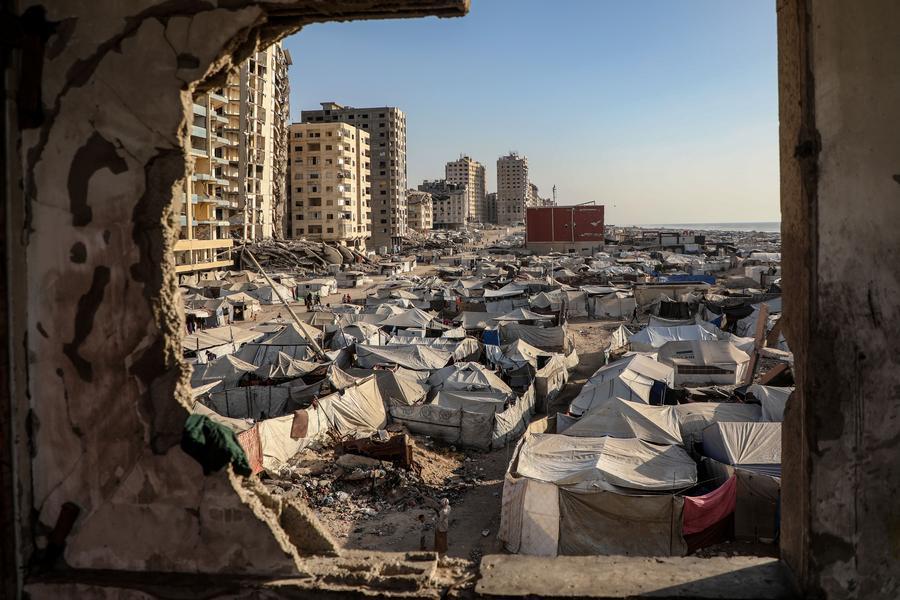
On the fundamental drivers behind the agreement, analysts point to a combination of wartime realities, political calculations, and strategic adaptation.
Gaza-based political analyst Mustafa Ibrahim told Xinhua that Hamas's flexibility largely reflects the heavy human, military, and political costs of the prolonged conflict, which has "encouraged Hamas to respond more quickly to mediation initiatives."
Prolonged negotiations, Ibrahim noted, have often "allowed Israel more time to create new realities on the ground, increasing the cost of any eventual agreement."
Ibrahim stressed that the acceptance does not represent a fundamental political shift but an attempt to adapt to wartime realities.
Another Palestinian analyst Akram Atallah added that Hamas has shown greater flexibility on issues previously regarded as non-negotiable while seeking to ensure that any concessions are matched by reciprocal Israeli commitments.
Ramallah-based political analyst Esmat Mansour observed that the roadmap "goes beyond declaring a ceasefire. It attempts to establish practical mechanisms for governing the post-war phase, including arrangements for Gaza's administration, reconstruction, and security. This gives it greater political and operational significance than earlier proposals."
CHALLENGES REMAIN
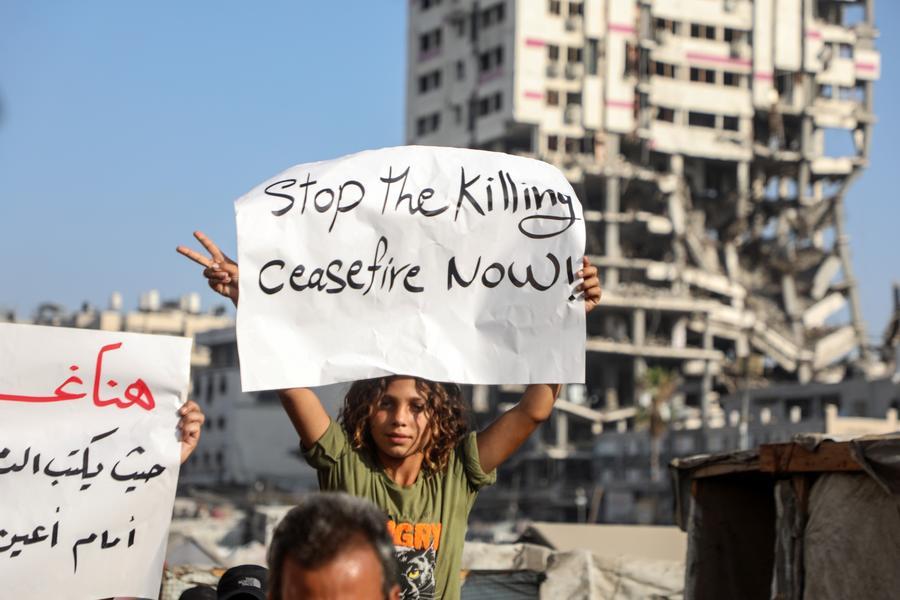
While Hamas's acceptance of the roadmap carries political significance and could help advance future negotiations, unresolved disputes continue to challenge the prospects for peace in Gaza.
"The proposal does not eliminate the fundamental disagreements between the parties," Mansour said. "The most sensitive issues have effectively been postponed to the implementation stage, where they are likely to face their most difficult test."
One of the most significant disagreements concerns heavy weaponry, with Hamas linking the issue to an Israeli withdrawal, while Israel has maintained that its army will not leave Gaza until the "genuine disarmament" of Hamas is achieved.
Other challenges are also apparent. As stipulated in the roadmap, Hamas would transfer the administration of Gaza to a Palestinian national committee. Atallah believes the proposed national committee would face significant hurdles, including securing broad Palestinian consensus, reorganizing institutions, and obtaining sufficient funding for reconstruction.
While Hamas's acceptance of the roadmap represents an important political step, the coming months will determine whether the understandings reached in negotiations can be translated into durable arrangements on the ground, noted Mansour.
"The real measure of success will not be the announcement of an agreement, but the ability of all parties to implement every stage of it in accordance with their commitments," the Ramallah-based political analyst said. "Only then can the roadmap provide a genuine opportunity for long-term stability in the Gaza Strip."■