
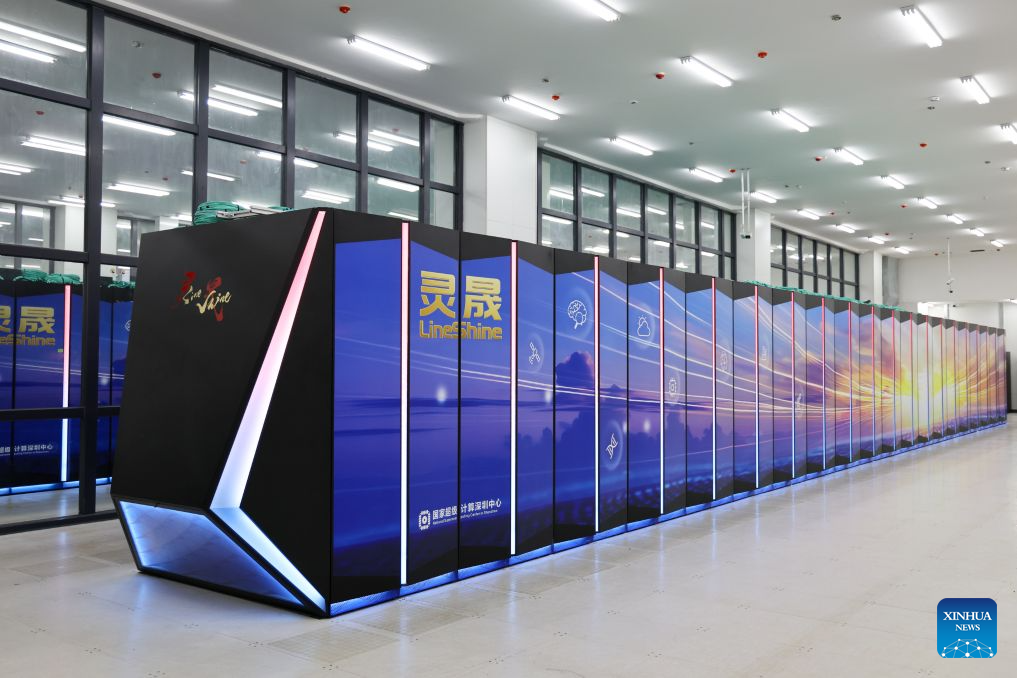
This photo taken on June 26, 2026 shows the LineShine supercomputer at the National Supercomputing Center in Shenzhen, southern China. China's domestically-developed LineShine supercomputer has topped the latest TOP500 list with 2.198 EFLOPS of sustained double-precision performance, becoming the world's first supercomputer to sustain more than 2 EFLOPS on the High Performance Linpack benchmark, according to the National Supercomputing Center in Shenzhen, southern China. (Xinhua/Liang Xu)
BEIJING, June 26 (Xinhua) -- Despite U.S. technology curbs, China's homegrown LineShine supercomputer has clinched the top spot on the global TOP500 list -- a quiet yet resounding rebuke to those who sought to stifle its progress.
With a sustained performance of 2.198 exaflops, LineShine is the world's first system to deliver sustained computing power exceeding 2 exaflops on the High Performance Linpack benchmark, according to the ranking released at the International Supercomputing Conference High Performance 2026 in Hamburg, Germany.
This milestone is about far more than raw speed. It is a testament to resilience, long-term investment and self-reliant innovation -- and a reminder that attempts to halt technological progress through exclusion and blockades can only go so far.
From 2010 to 2017, four Chinese supercomputers repeatedly topped global rankings. In 2015, however, the U.S. government blocked technology exports to four Chinese facilities linked to Tianhe-2, then the world's fastest supercomputer. Washington has since expanded the blacklist to include more Chinese supercomputing entities.
Nine years on, a fully Chinese-developed supercomputer has reclaimed the top spot, rendering those curbs ineffective as China continues to advance in the field.
Ironically, China's return to the top "owes" much to the very sanctions meant to stop it. When foreign chips became unreliable, Chinese engineers did not merely seek replacements. They reinvented the architecture. LineShine breaks with convention with a pioneering all-CPU design featuring built-in AI acceleration, backed by large-scale innovations across chips, networking, storage, systems and cooling. The result is a fully domestic system. Sanctions intended as a straitjacket have instead become a catalyst for innovation.
Today, many cutting-edge fields -- from climate modeling and drug discovery to artificial intelligence (AI) and materials science -- depend on powerful supercomputing support. Yet for decades, high-end computing power has remained concentrated in a few Western countries.
The U.S. clampdown on China's supercomputing sector is just one example. In recent years, Washington has imposed restrictions on China across a wide range of technological domains, including semiconductors and AI. Each round of curbs has only strengthened China's resolve to pursue self-reliance.
In technological development, some countries seek to maintain a competitive edge through exclusion, blockades and monopolies. Others, by contrast, pursue independent innovation while embracing global cooperation and sharing technological dividends with the world.
China has consistently chosen the latter path. While strengthening its domestic computing industrial chain, it has shared supercomputing technologies and application solutions with developing economies. China's supercomputing centers have long opened high-performance computing resources to research institutions and enterprises worldwide, supporting collaborative research projects in earthquake simulation, precise weather forecasting, global environmental protection, and more.
Scientific progress flourishes best in an open, collaborative environment. Unilateral tech curbs and ever-higher barriers have proven ineffective -- they damage the global cooperation ecosystem and run counter to the tide of the times.
The world gains from cooperation and loses from fragmentation. Nations are better served by working together, complementing one another's strengths, and fostering mutual support for shared, sustainable development. Only through win-win cooperation can technology realize its full potential and deliver greater benefits to all humanity. ■
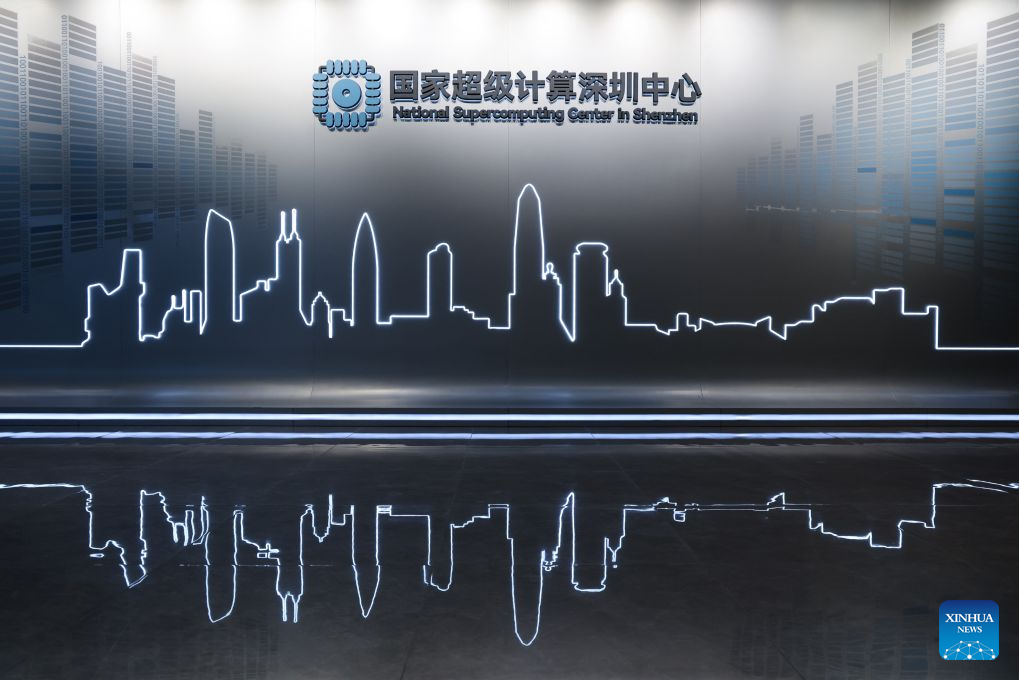
This photo taken on June 26, 2026 shows an interior view of the National Supercomputing Center in Shenzhen, southern China. China's domestically-developed LineShine supercomputer has topped the latest TOP500 list with 2.198 EFLOPS of sustained double-precision performance, becoming the world's first supercomputer to sustain more than 2 EFLOPS on the High Performance Linpack benchmark, according to the National Supercomputing Center in Shenzhen, southern China. (Xinhua/Liang Xu)
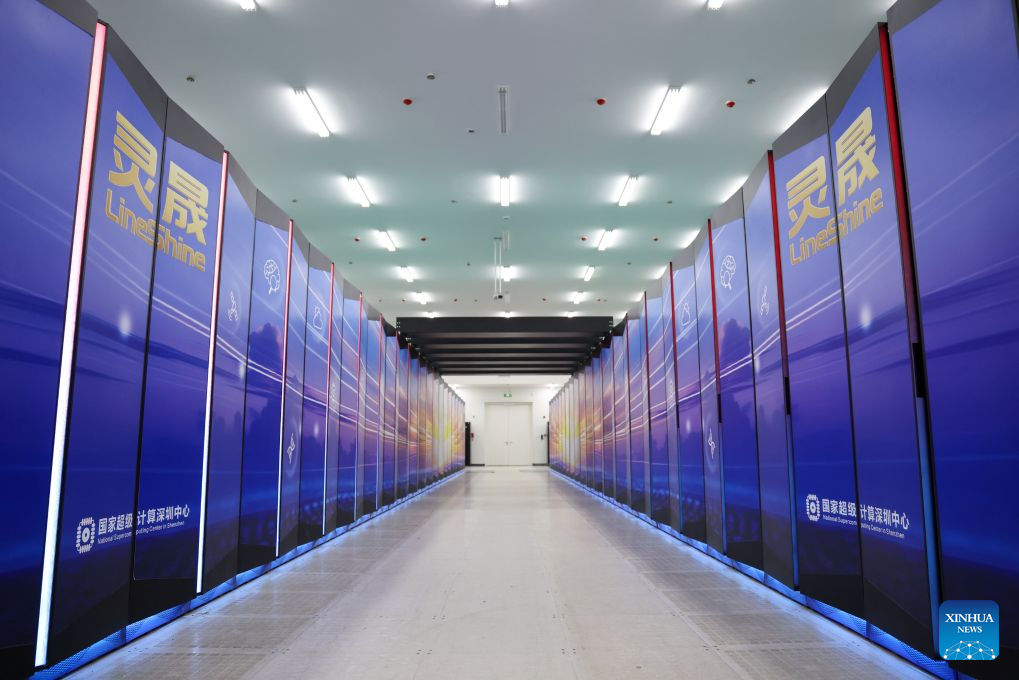
This photo taken on June 26, 2026 shows the LineShine supercomputer at the National Supercomputing Center in Shenzhen, southern China. China's domestically-developed LineShine supercomputer has topped the latest TOP500 list with 2.198 EFLOPS of sustained double-precision performance, becoming the world's first supercomputer to sustain more than 2 EFLOPS on the High Performance Linpack benchmark, according to the National Supercomputing Center in Shenzhen, southern China. (Xinhua/Liang Xu)
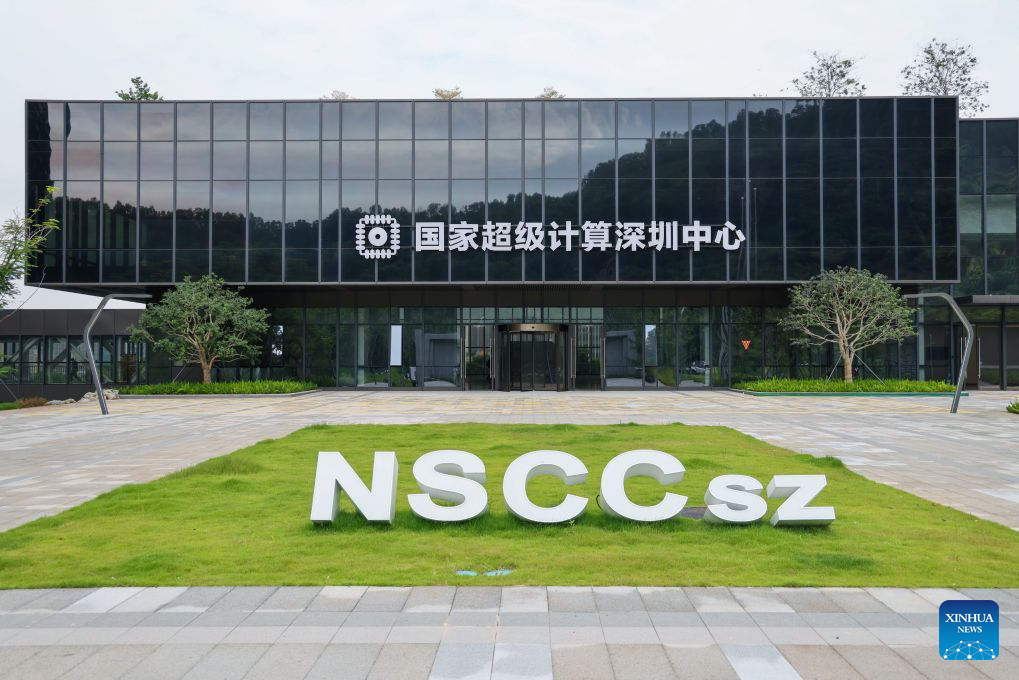
This photo taken on June 26, 2026 shows an exterior view of the National Supercomputing Center in Shenzhen, southern China. China's domestically-developed LineShine supercomputer has topped the latest TOP500 list with 2.198 EFLOPS of sustained double-precision performance, becoming the world's first supercomputer to sustain more than 2 EFLOPS on the High Performance Linpack benchmark, according to the National Supercomputing Center in Shenzhen, southern China. (Xinhua/Liang Xu)
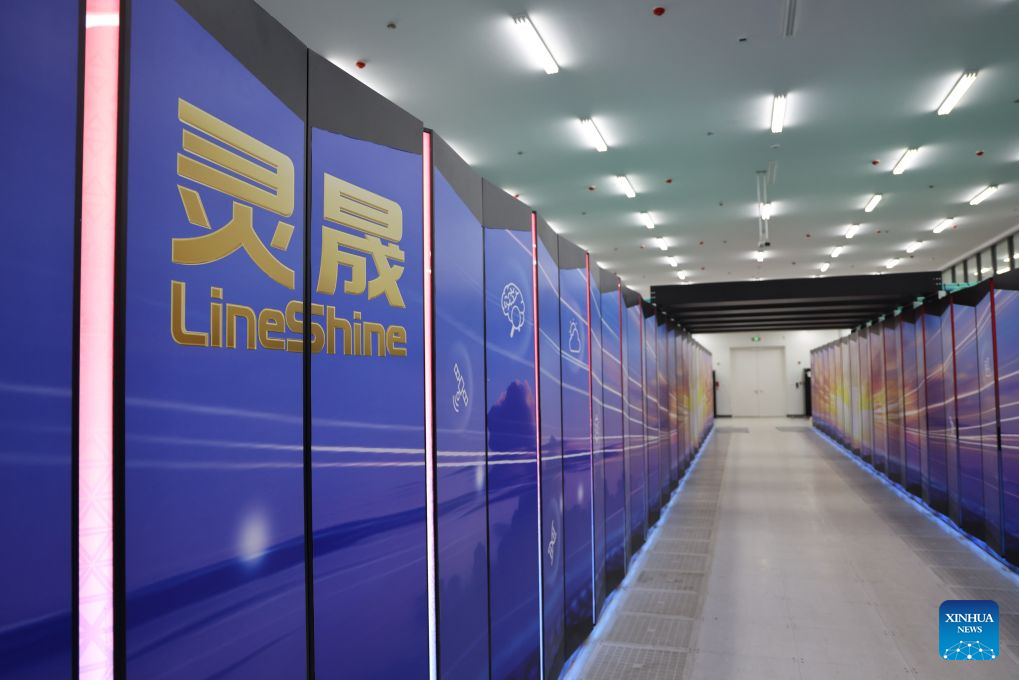
This photo taken on June 26, 2026 shows the LineShine supercomputer at the National Supercomputing Center in Shenzhen, southern China. China's domestically-developed LineShine supercomputer has topped the latest TOP500 list with 2.198 EFLOPS of sustained double-precision performance, becoming the world's first supercomputer to sustain more than 2 EFLOPS on the High Performance Linpack benchmark, according to the National Supercomputing Center in Shenzhen, southern China. (Xinhua/Liang Xu)
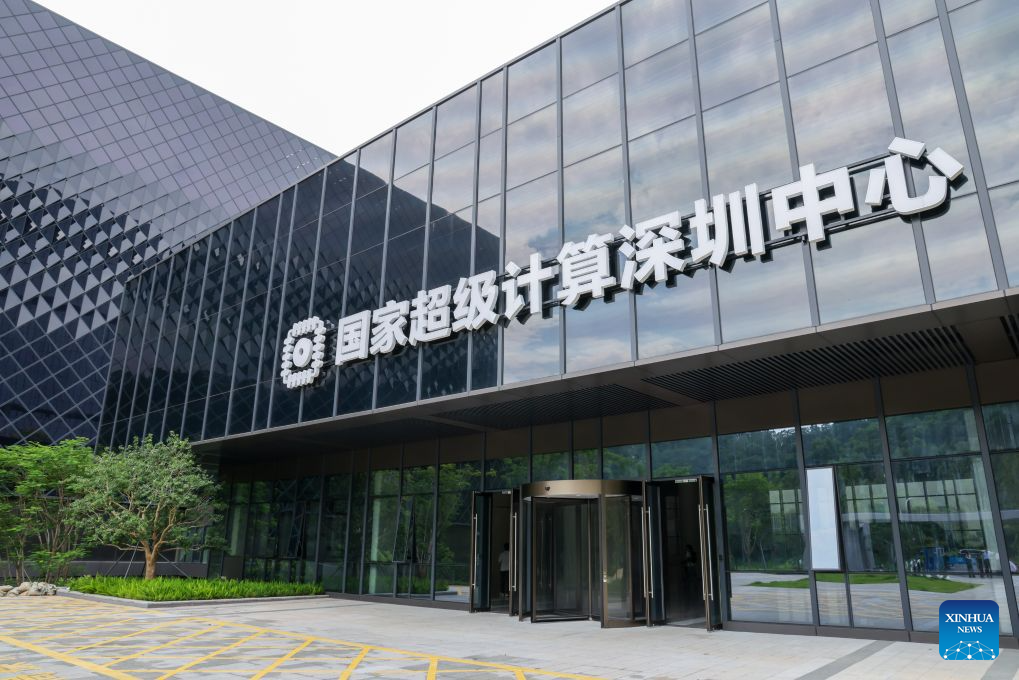
This photo taken on June 26, 2026 shows an exterior view of the National Supercomputing Center in Shenzhen, southern China. China's domestically-developed LineShine supercomputer has topped the latest TOP500 list with 2.198 EFLOPS of sustained double-precision performance, becoming the world's first supercomputer to sustain more than 2 EFLOPS on the High Performance Linpack benchmark, according to the National Supercomputing Center in Shenzhen, southern China. (Xinhua/Liang Xu)


