
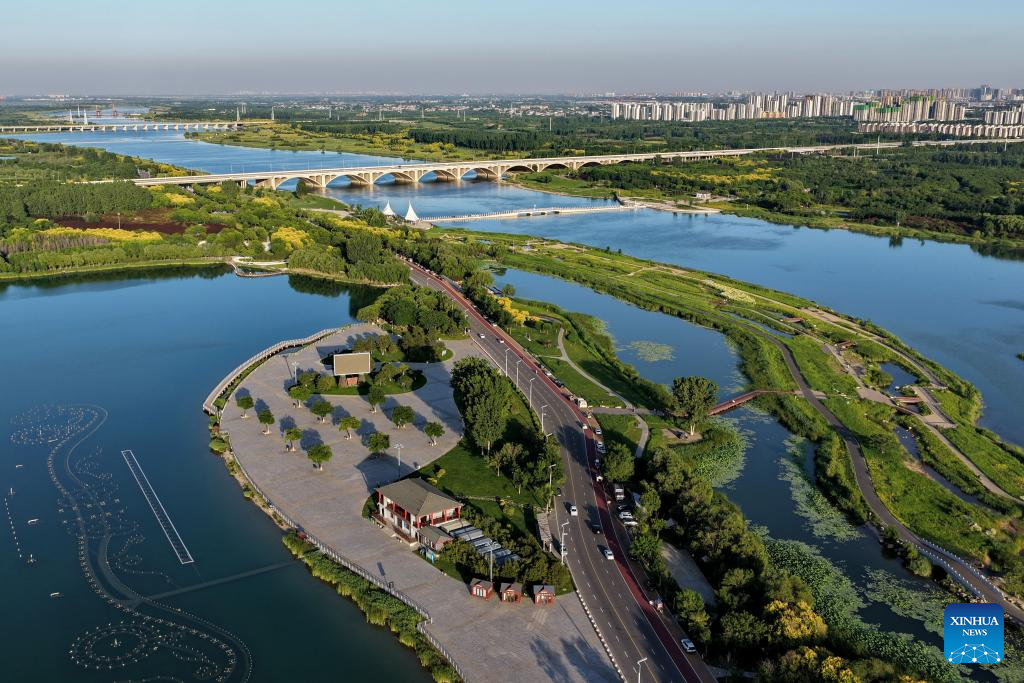
An aerial drone photo taken on June 1, 2026 shows a view along the Hutuo River in Shijiazhuang, north China's Hebei Province. The Shijiazhuang section of the Hutuo River is about 205 kilometers long and flows through many districts and counties of the city. It is called the "mother river" of the city. Since 2017, Shijiazhuang has implemented ecological restoration in stages along the river. Nowadays, the banks of the Hutuo River have become popular leisure destinations for local residents, while a growing number of emerging urban functions are also clustered here. (Xinhua/Yang Shiyao)
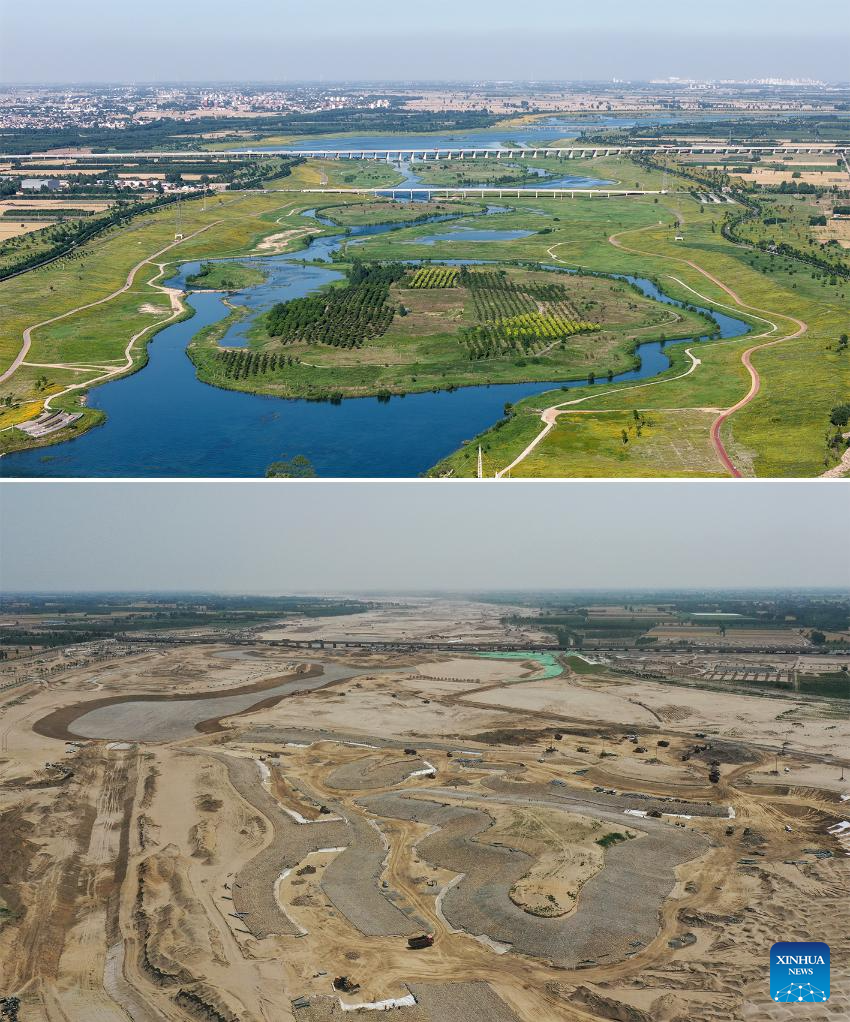
This combo photo shows an aerial view of the Hutuo River in Gaocheng District of Shijiazhuang, north China's Hebei Province on June 1, 2026 (above) and an aerial view of the construction site of an ecological restoration project of the river here on June 5, 2020. The Shijiazhuang section of the Hutuo River is about 205 kilometers long and flows through many districts and counties of the city. It is called the "mother river" of the city. Since 2017, Shijiazhuang has implemented ecological restoration in stages along the river. Nowadays, the banks of the Hutuo River have become popular leisure destinations for local residents, while a growing number of emerging urban functions are also clustered here. (Xinhua/Yang Shiyao)
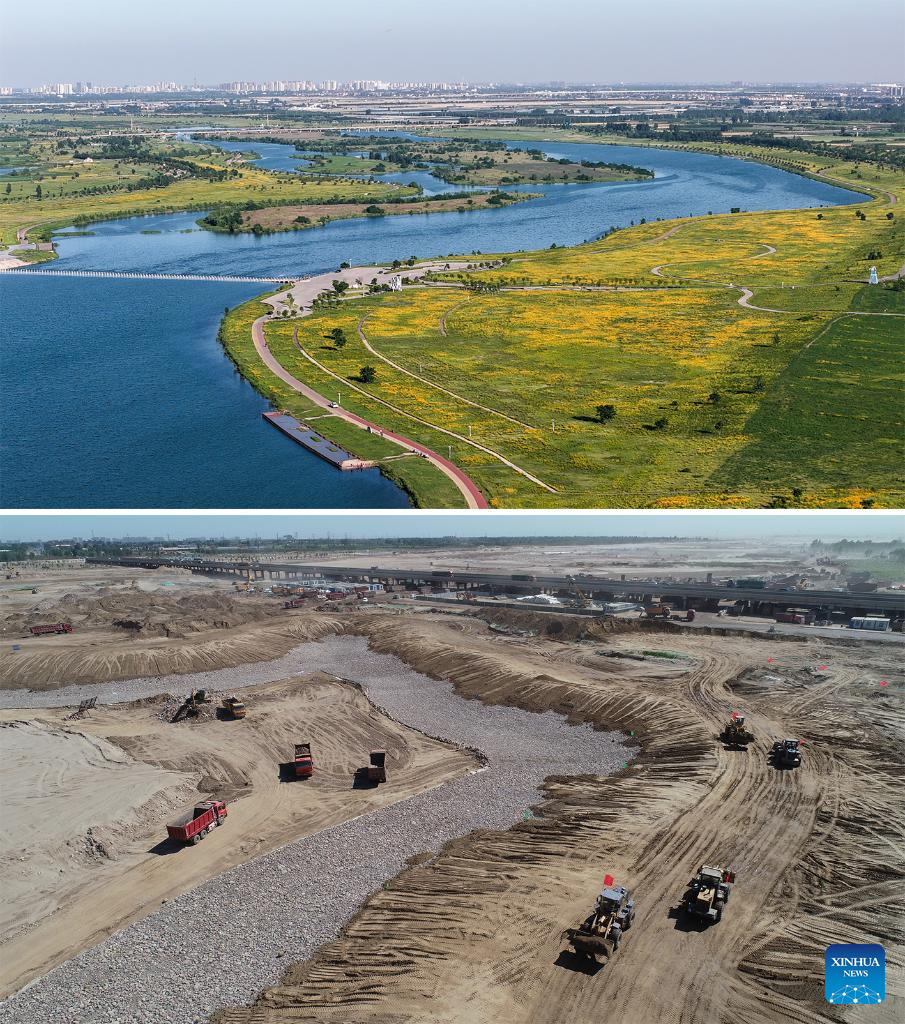
This combo photo shows an aerial view of the Hutuo River in Gaocheng District of Shijiazhuang, north China's Hebei Province on June 1, 2026 (above) and an aerial view of the construction site of an ecological restoration project of the river here on May 27, 2020. The Shijiazhuang section of the Hutuo River is about 205 kilometers long and flows through many districts and counties of the city. It is called the "mother river" of the city. Since 2017, Shijiazhuang has implemented ecological restoration in stages along the river. Nowadays, the banks of the Hutuo River have become popular leisure destinations for local residents, while a growing number of emerging urban functions are also clustered here. (Xinhua/Yang Shiyao)
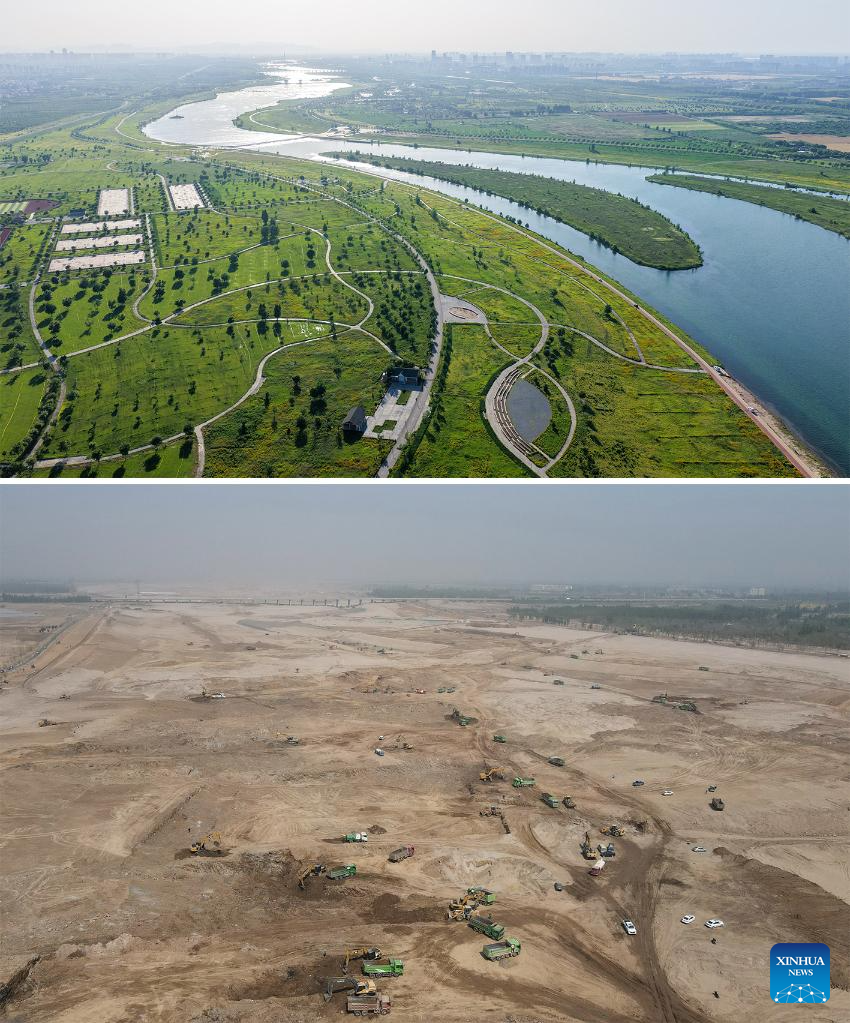
This combo photo shows an aerial view of the Hutuo River in Gaocheng District of Shijiazhuang, north China's Hebei Province on June 1, 2026 (above) and an aerial view of the construction site of an ecological restoration project of the river here on April 19, 2021. The Shijiazhuang section of the Hutuo River is about 205 kilometers long and flows through many districts and counties of the city. It is called the "mother river" of the city. Since 2017, Shijiazhuang has implemented ecological restoration in stages along the river. Nowadays, the banks of the Hutuo River have become popular leisure destinations for local residents, while a growing number of emerging urban functions are also clustered here. (Xinhua/Yang Shiyao)
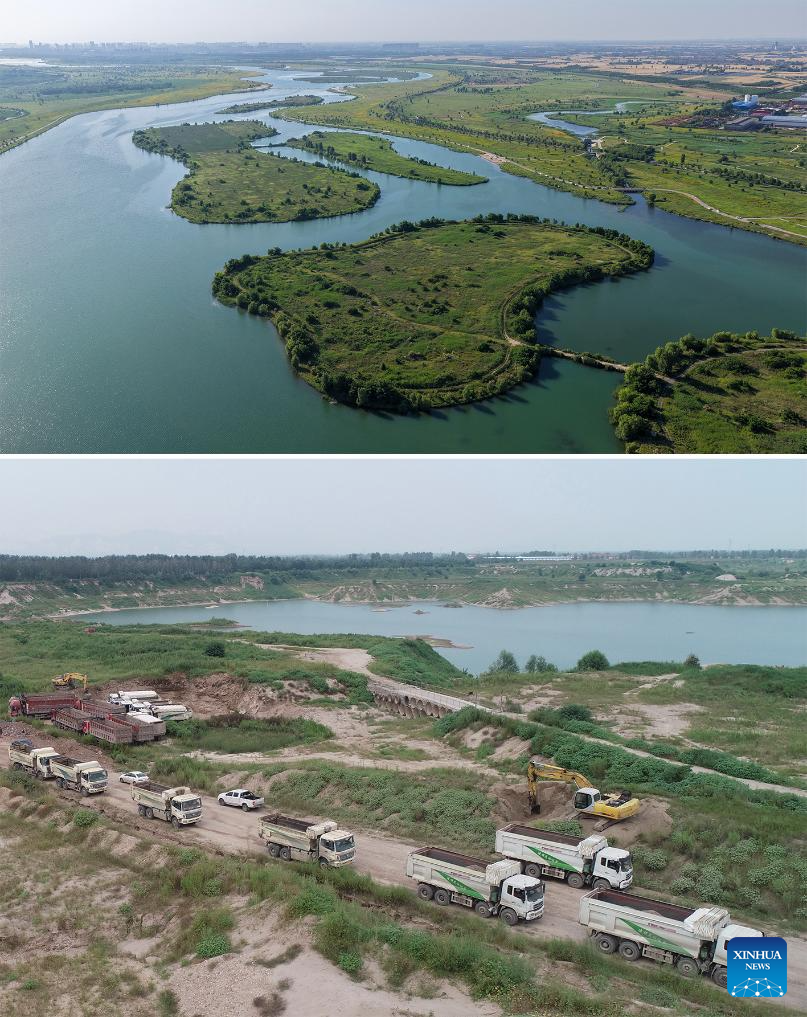
This combo photo shows an aerial view of the Hutuo River in Gaocheng District of Shijiazhuang, north China's Hebei Province on June 1, 2026 (above) and an aerial view of the construction site of an ecological restoration project of the river here on Aug. 28, 2020. The Shijiazhuang section of the Hutuo River is about 205 kilometers long and flows through many districts and counties of the city. It is called the "mother river" of the city. Since 2017, Shijiazhuang has implemented ecological restoration in stages along the river. Nowadays, the banks of the Hutuo River have become popular leisure destinations for local residents, while a growing number of emerging urban functions are also clustered here. (Xinhua/Yang Shiyao)
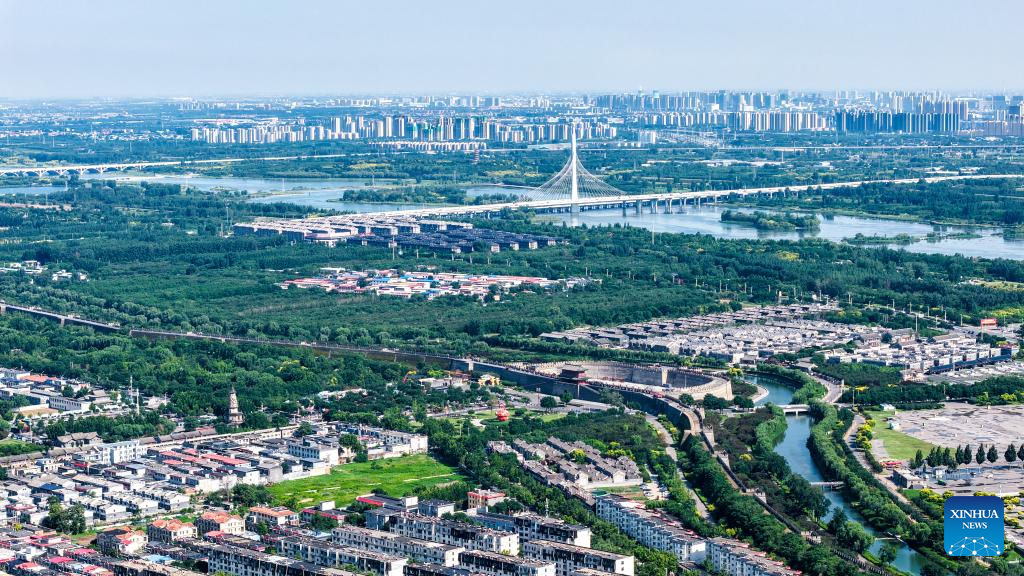
An aerial drone photo taken on June 4, 2026 shows a view of Zhengding ancient town and the Hutuo River in Shijiazhuang City, north China's Hebei Province. The Shijiazhuang section of the Hutuo River is about 205 kilometers long and flows through many districts and counties of the city. It is called the "mother river" of the city. Since 2017, Shijiazhuang has implemented ecological restoration in stages along the river. Nowadays, the banks of the Hutuo River have become popular leisure destinations for local residents, while a growing number of emerging urban functions are also clustered here. (Photo by Liang Zidong/Xinhua)
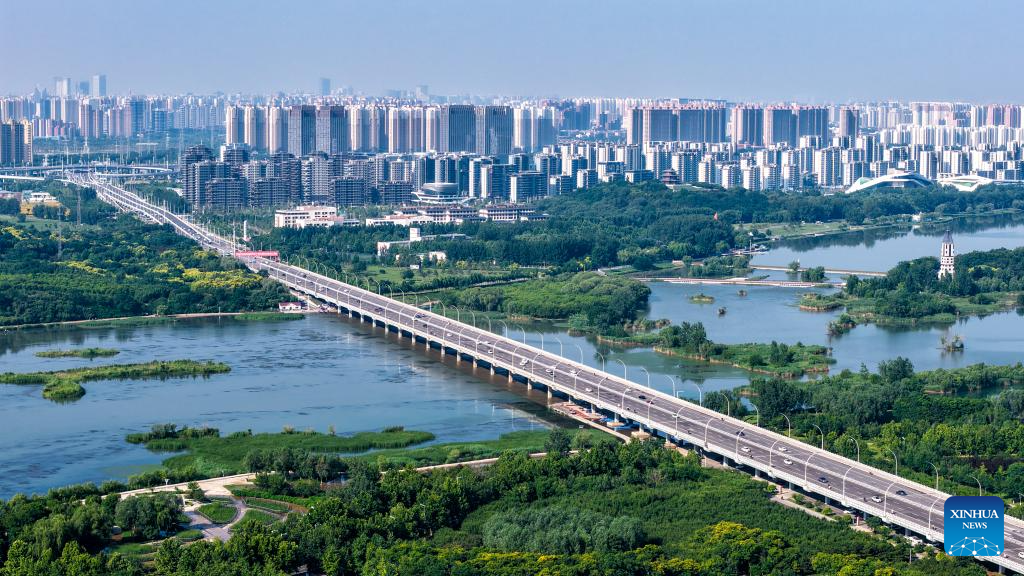
An aerial drone photo taken on June 4, 2026 shows a bridge crossing the Hutuo River and the urban scenery in Shijiazhuang, north China's Hebei Province. The Shijiazhuang section of the Hutuo River is about 205 kilometers long and flows through many districts and counties of the city. It is called the "mother river" of the city. Since 2017, Shijiazhuang has implemented ecological restoration in stages along the river. Nowadays, the banks of the Hutuo River have become popular leisure destinations for local residents, while a growing number of emerging urban functions are also clustered here. (Photo by Liang Zidong/Xinhua)
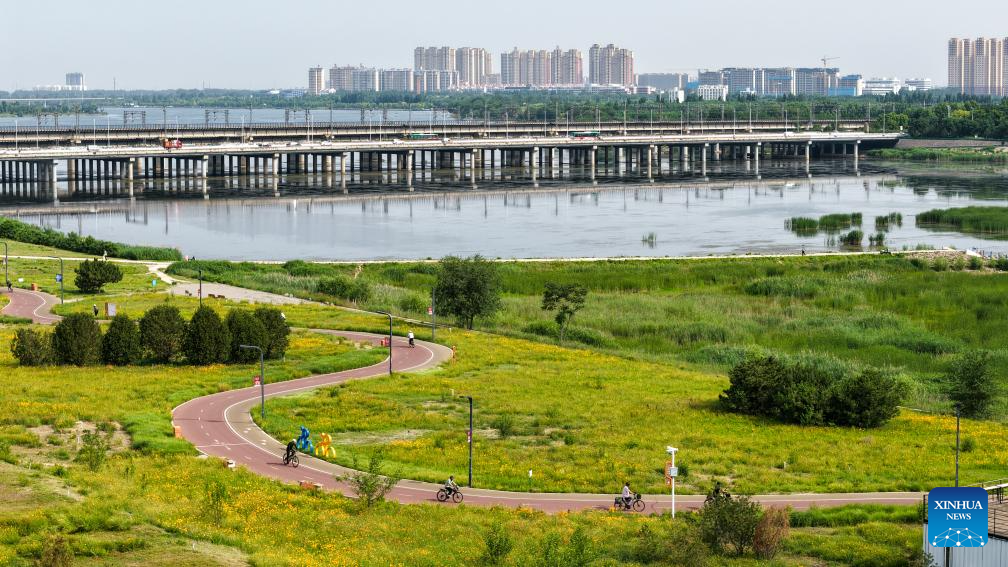
An aerial drone photo taken on June 3, 2026 shows cyclists riding by the Hutuo River in Shijiazhuang City, north China's Hebei Province. The Shijiazhuang section of the Hutuo River is about 205 kilometers long and flows through many districts and counties of the city. It is called the "mother river" of the city. Since 2017, Shijiazhuang has implemented ecological restoration in stages along the river. Nowadays, the banks of the Hutuo River have become popular leisure destinations for local residents, while a growing number of emerging urban functions are also clustered here. (Photo by Liang Zidong/Xinhua)
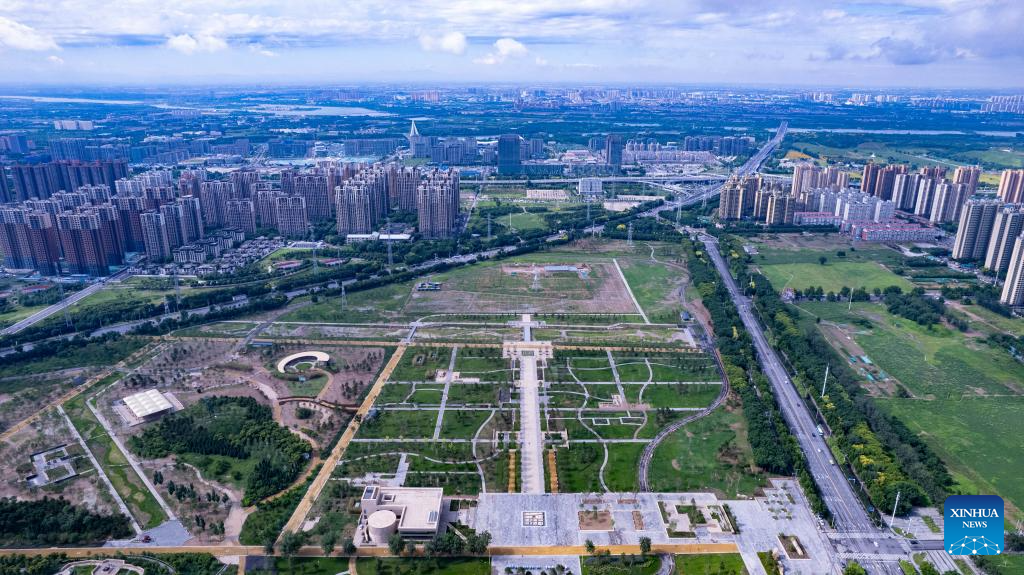
An aerial drone photo taken on June 6, 2026 shows a view of Dongyuan ancient city ruins park on the southern bank of the Hutuo River in Shijiazhuang, north China's Hebei Province. The Shijiazhuang section of the Hutuo River is about 205 kilometers long and flows through many districts and counties of the city. It is called the "mother river" of the city. Since 2017, Shijiazhuang has implemented ecological restoration in stages along the river. Nowadays, the banks of the Hutuo River have become popular leisure destinations for local residents, while a growing number of emerging urban functions are also clustered here. (Photo by Yan Zhiguo/Xinhua)
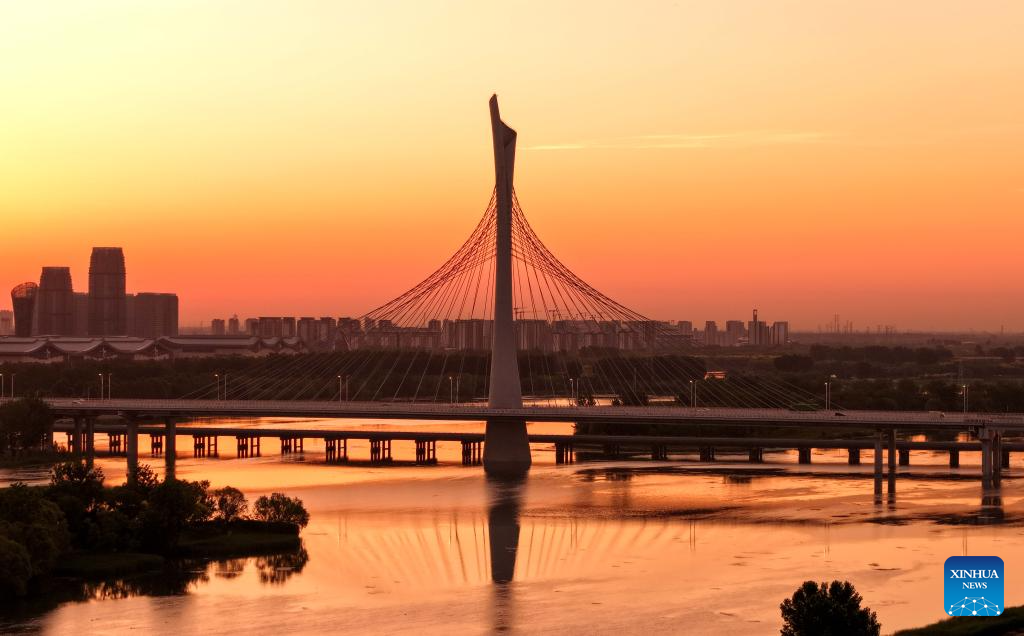
A drone photo taken on May 29, 2026 shows a bridge crossing the Hutuo River in Shijiazhuang, north China's Hebei Province. The Shijiazhuang section of the Hutuo River is about 205 kilometers long and flows through many districts and counties of the city. It is called the "mother river" of the city. Since 2017, Shijiazhuang has implemented ecological restoration in stages along the river. Nowadays, the banks of the Hutuo River have become popular leisure destinations for local residents, while a growing number of emerging urban functions are also clustered here. (Photo by Chen Qibao/Xinhua)
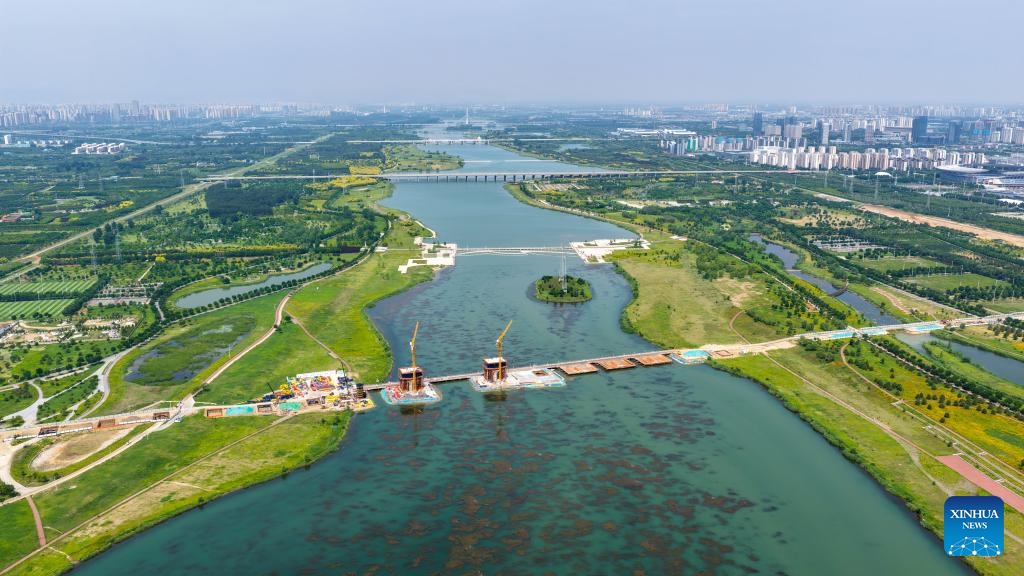
An aerial drone photo taken on June 3, 2026 shows the construction site of a railway bridge crossing the Hutuo River in north China's Hebei Province. The Shijiazhuang section of the Hutuo River is about 205 kilometers long and flows through many districts and counties of the city. It is called the "mother river" of the city. Since 2017, Shijiazhuang has implemented ecological restoration in stages along the river. Nowadays, the banks of the Hutuo River have become popular leisure destinations for local residents, while a growing number of emerging urban functions are also clustered here. (Photo by Liang Zidong/Xinhua)
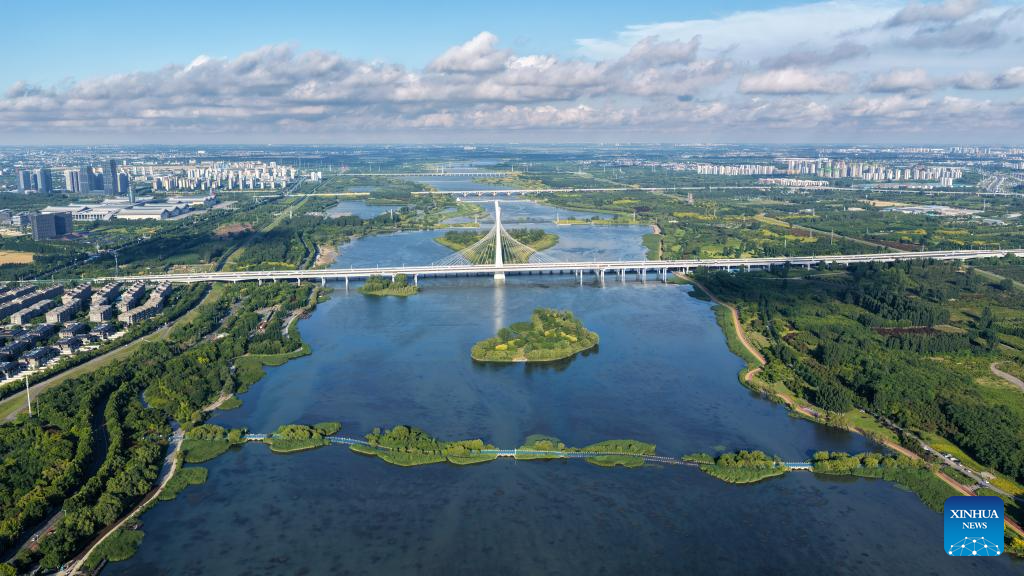
An aerial drone photo taken on June 6, 2026 shows a view along the Hutuo River in Shijiazhuang, north China's Hebei Province. The Shijiazhuang section of the Hutuo River is about 205 kilometers long and flows through many districts and counties of the city. It is called the "mother river" of the city. Since 2017, Shijiazhuang has implemented ecological restoration in stages along the river. Nowadays, the banks of the Hutuo River have become popular leisure destinations for local residents, while a growing number of emerging urban functions are also clustered here. (Photo by Liang Zidong/Xinhua)
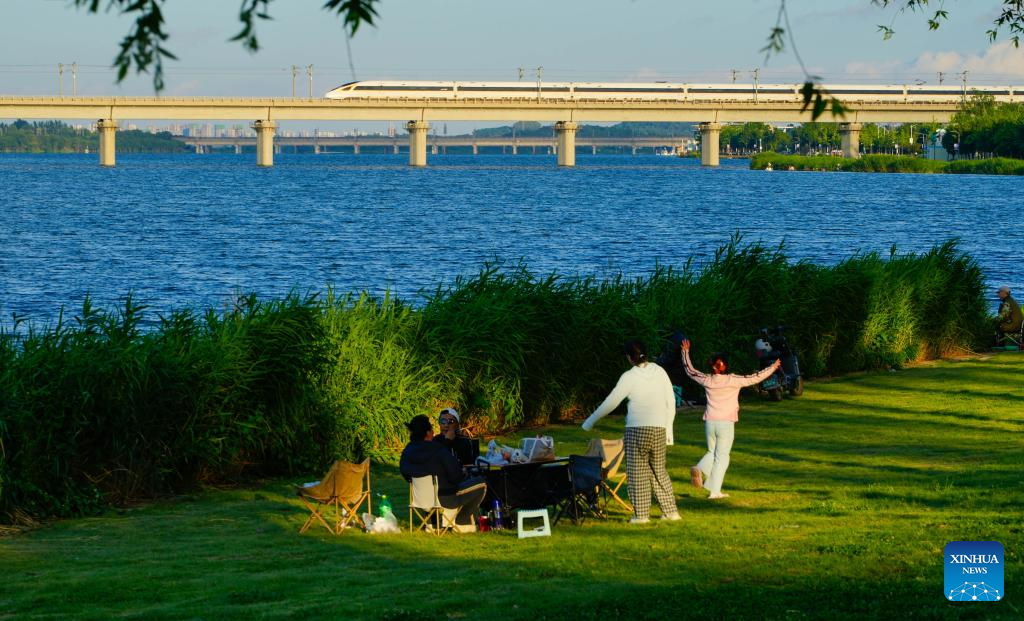
People enjoy leisure time by the Hutuo River as a bullet train runs on a bridge in distance in Shijiazhuang City, north China's Hebei Province, June 8, 2026. The Shijiazhuang section of the Hutuo River is about 205 kilometers long and flows through many districts and counties of the city. It is called the "mother river" of the city. Since 2017, Shijiazhuang has implemented ecological restoration in stages along the river. Nowadays, the banks of the Hutuo River have become popular leisure destinations for local residents, while a growing number of emerging urban functions are also clustered here. (Photo by Yan Zhiguo/Xinhua)
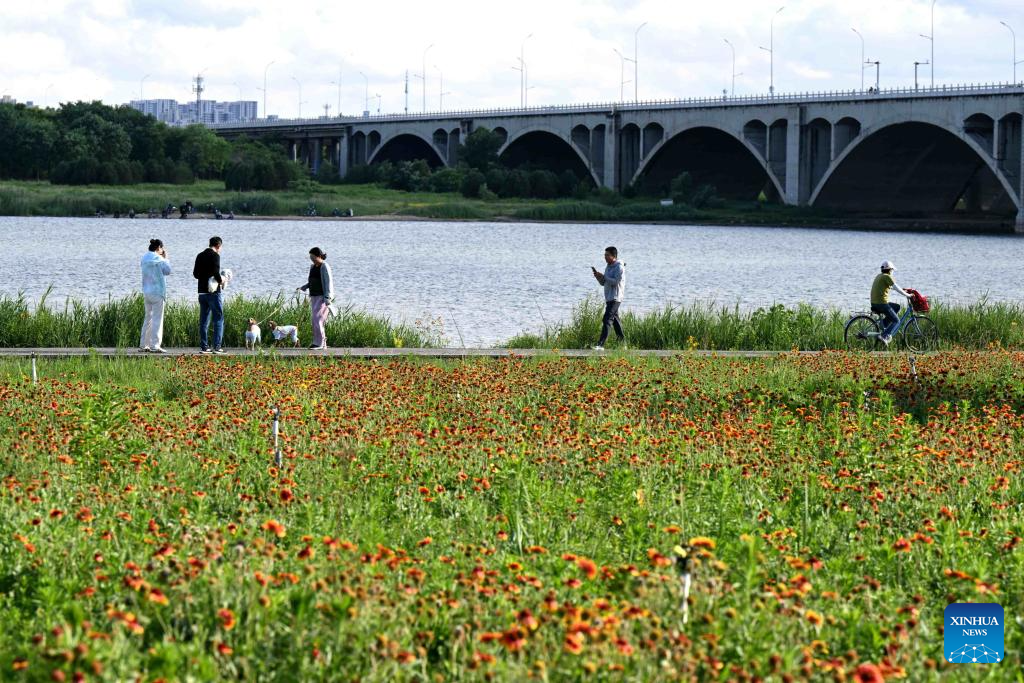
People enjoy leisure time by the Hutuo River in Shijiazhuang City, north China's Hebei Province, May 30, 2026. The Shijiazhuang section of the Hutuo River is about 205 kilometers long and flows through many districts and counties of the city. It is called the "mother river" of the city. Since 2017, Shijiazhuang has implemented ecological restoration in stages along the river. Nowadays, the banks of the Hutuo River have become popular leisure destinations for local residents, while a growing number of emerging urban functions are also clustered here. (Photo by Chen Qibao/Xinhua)
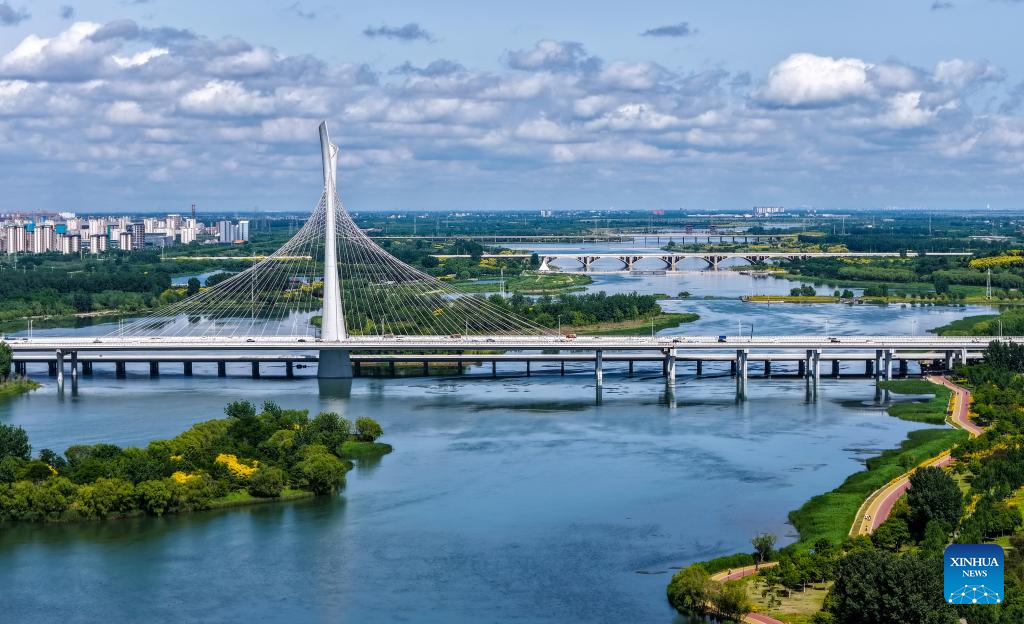
A drone photo taken on May 22, 2026 shows a bridge crossing the Hutuo River in Shijiazhuang, north China's Hebei Province. The Shijiazhuang section of the Hutuo River is about 205 kilometers long and flows through many districts and counties of the city. It is called the "mother river" of the city. Since 2017, Shijiazhuang has implemented ecological restoration in stages along the river. Nowadays, the banks of the Hutuo River have become popular leisure destinations for local residents, while a growing number of emerging urban functions are also clustered here. (Photo by Zhang Xiaofeng/Xinhua)
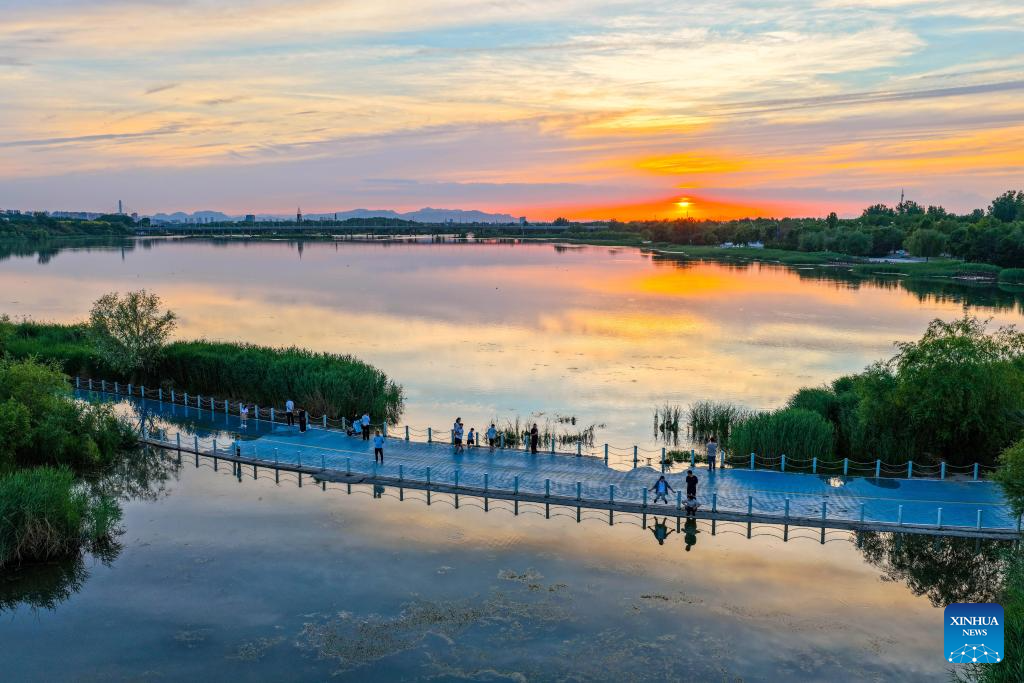
An aerial drone photo taken on May 18, 2026 shows people enjoying themselves at sunset by the Hutuo River in Shijiazhuang City, north China's Hebei Province. The Shijiazhuang section of the Hutuo River is about 205 kilometers long and flows through many districts and counties of the city. It is called the "mother river" of the city. Since 2017, Shijiazhuang has implemented ecological restoration in stages along the river. Nowadays, the banks of the Hutuo River have become popular leisure destinations for local residents, while a growing number of emerging urban functions are also clustered here. (Photo by Zhang Xiaofeng/Xinhua)
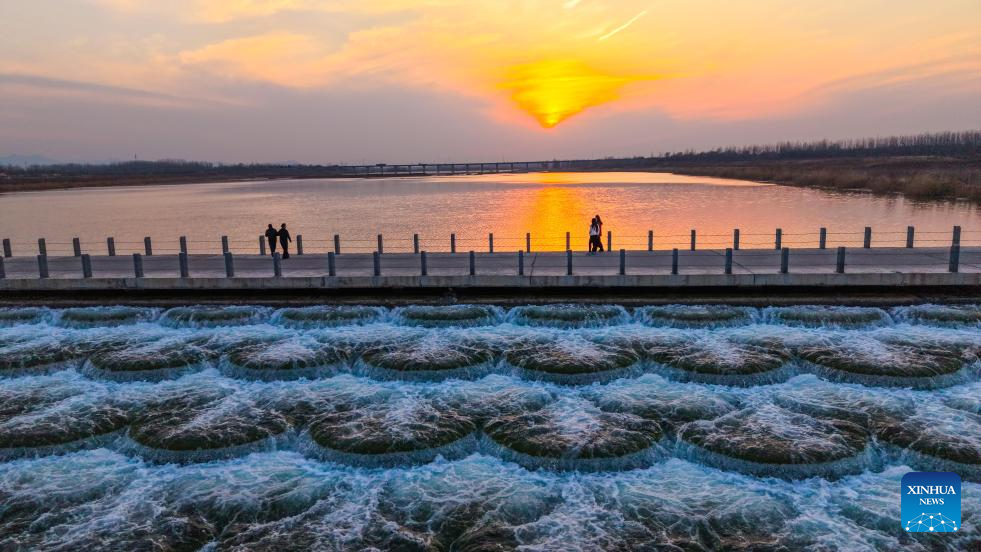
A drone photo taken on March 19, 2026 shows a view of the Hutuo River in Lingshou County of Shijiazhuang, north China's Hebei Province. The Shijiazhuang section of the Hutuo River is about 205 kilometers long and flows through many districts and counties of the city. It is called the "mother river" of the city. Since 2017, Shijiazhuang has implemented ecological restoration in stages along the river. Nowadays, the banks of the Hutuo River have become popular leisure destinations for local residents, while a growing number of emerging urban functions are also clustered here. (Photo by Bai Yunfei/Xinhua)
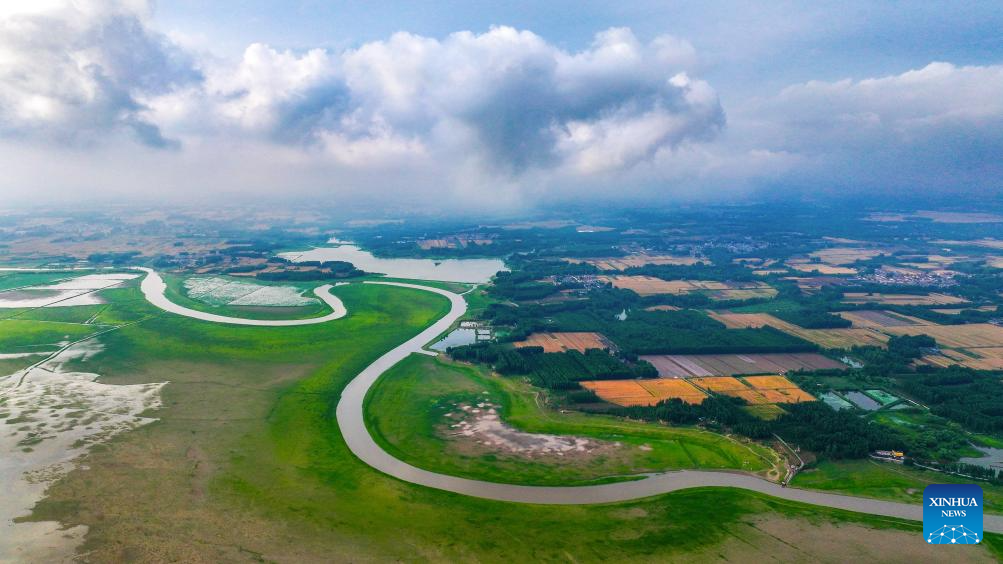
An aerial drone photo taken on June 3, 2026 shows a view along the Hutuo River in Lingshou County of Shijiazhuang, north China's Hebei Province. The Shijiazhuang section of the Hutuo River is about 205 kilometers long and flows through many districts and counties of the city. It is called the "mother river" of the city. Since 2017, Shijiazhuang has implemented ecological restoration in stages along the river. Nowadays, the banks of the Hutuo River have become popular leisure destinations for local residents, while a growing number of emerging urban functions are also clustered here. (Photo by Bai Yunfei/Xinhua)
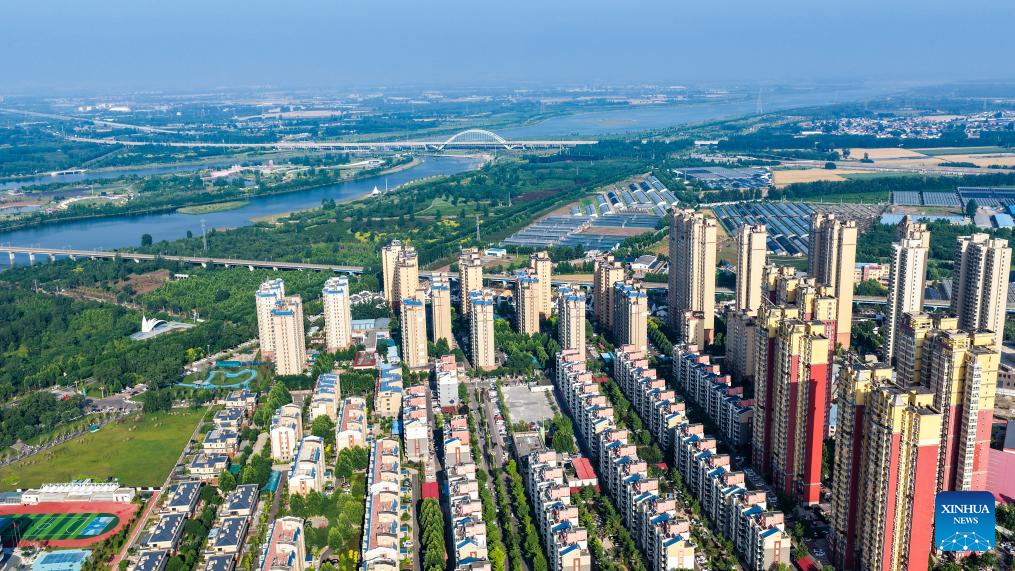
An aerial drone photo taken on June 4, 2026 shows a view of Tayuanzhuang Village, located on the northern bank of the Hutuo River, in Zhengding County, Shijiazhuang City, north China's Hebei Province. The Shijiazhuang section of the Hutuo River is about 205 kilometers long and flows through many districts and counties of the city. It is called the "mother river" of the city. Since 2017, Shijiazhuang has implemented ecological restoration in stages along the river. Nowadays, the banks of the Hutuo River have become popular leisure destinations for local residents, while a growing number of emerging urban functions are also clustered here. (Photo by Liang Zidong/Xinhua)
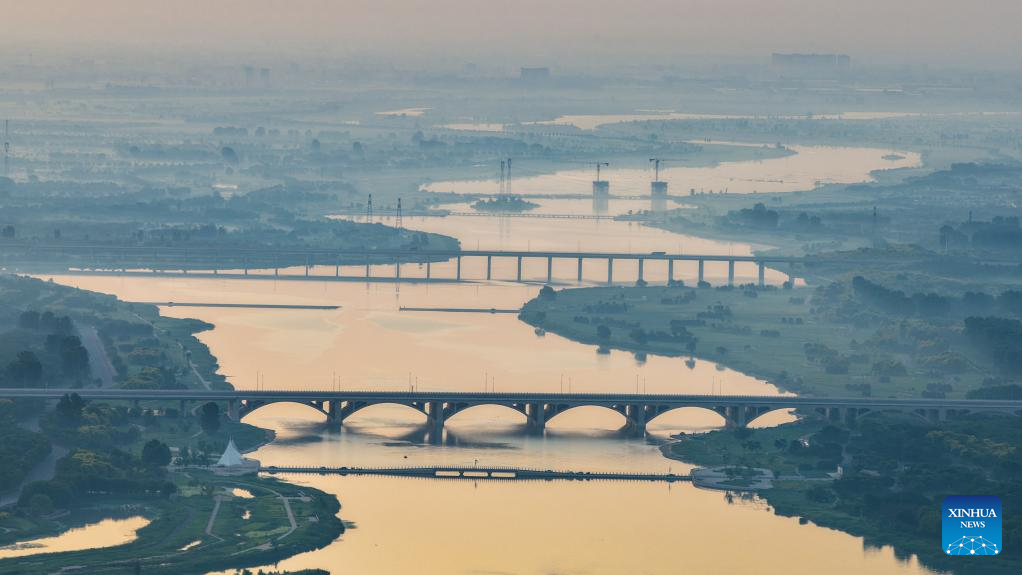
An aerial drone photo taken on June 2, 2026 shows a view along the Hutuo River at sunrise in Shijiazhuang, north China's Hebei Province. The Shijiazhuang section of the Hutuo River is about 205 kilometers long and flows through many districts and counties of the city. It is called the "mother river" of the city. Since 2017, Shijiazhuang has implemented ecological restoration in stages along the river. Nowadays, the banks of the Hutuo River have become popular leisure destinations for local residents, while a growing number of emerging urban functions are also clustered here. (Photo by Liang Zidong/Xinhua)
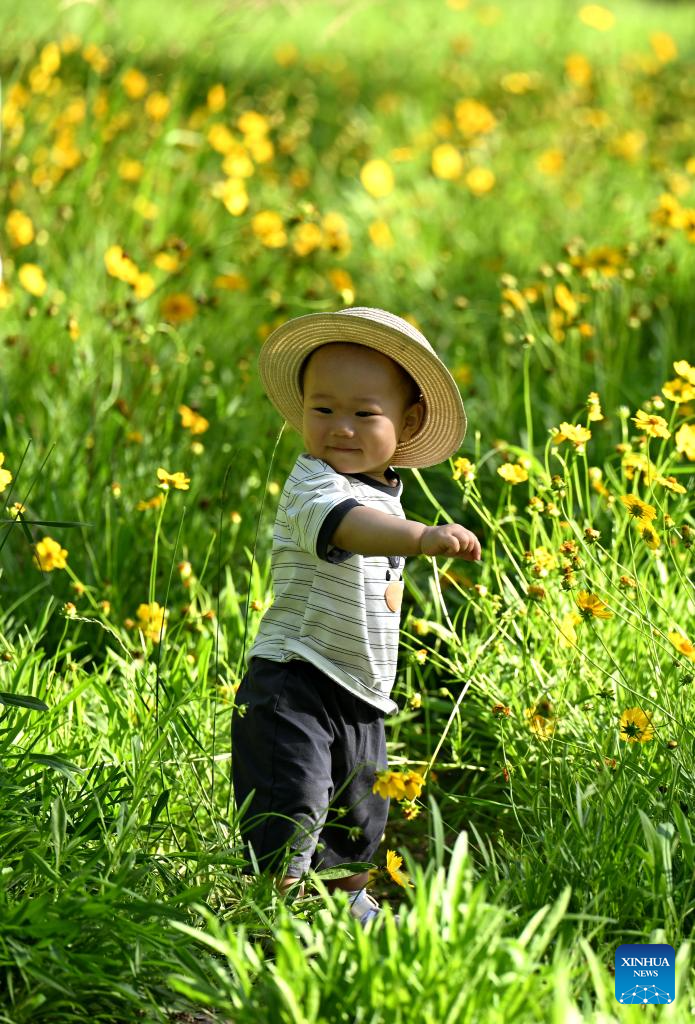
A child plays among flowers by the Hutuo River in Shijiazhuang City, north China's Hebei Province, May 30, 2026. The Shijiazhuang section of the Hutuo River is about 205 kilometers long and flows through many districts and counties of the city. It is called the "mother river" of the city. Since 2017, Shijiazhuang has implemented ecological restoration in stages along the river. Nowadays, the banks of the Hutuo River have become popular leisure destinations for local residents, while a growing number of emerging urban functions are also clustered here. (Photo by Chen Qibao/Xinhua)
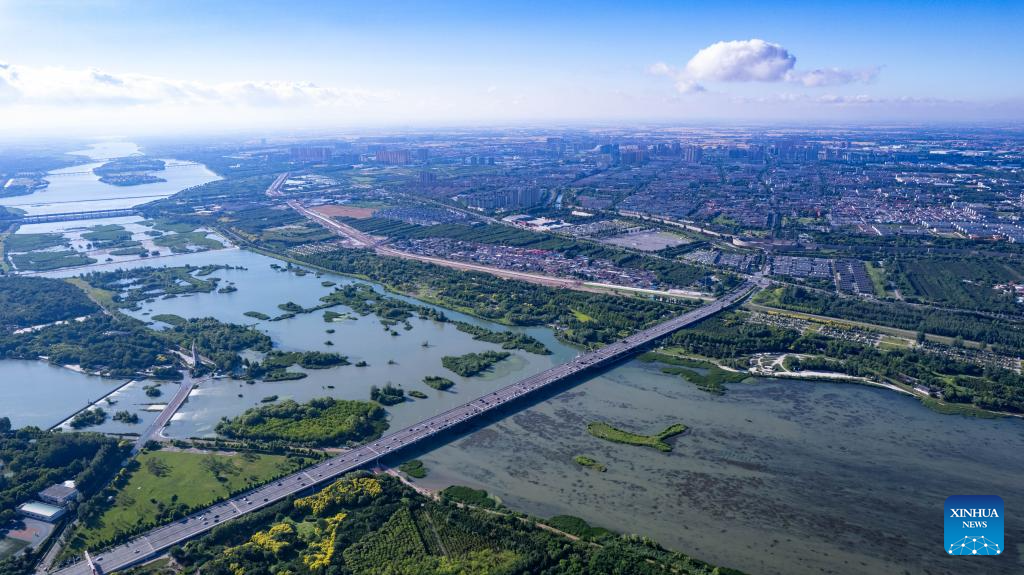
An aerial drone photo taken on June 6, 2026 shows a view of Zhengding County, located on the northern bank of the Hutuo River, in Shijiazhuang City, north China's Hebei Province. The Shijiazhuang section of the Hutuo River is about 205 kilometers long and flows through many districts and counties of the city. It is called the "mother river" of the city. Since 2017, Shijiazhuang has implemented ecological restoration in stages along the river. Nowadays, the banks of the Hutuo River have become popular leisure destinations for local residents, while a growing number of emerging urban functions are also clustered here. (Photo by Yan Zhiguo/Xinhua)
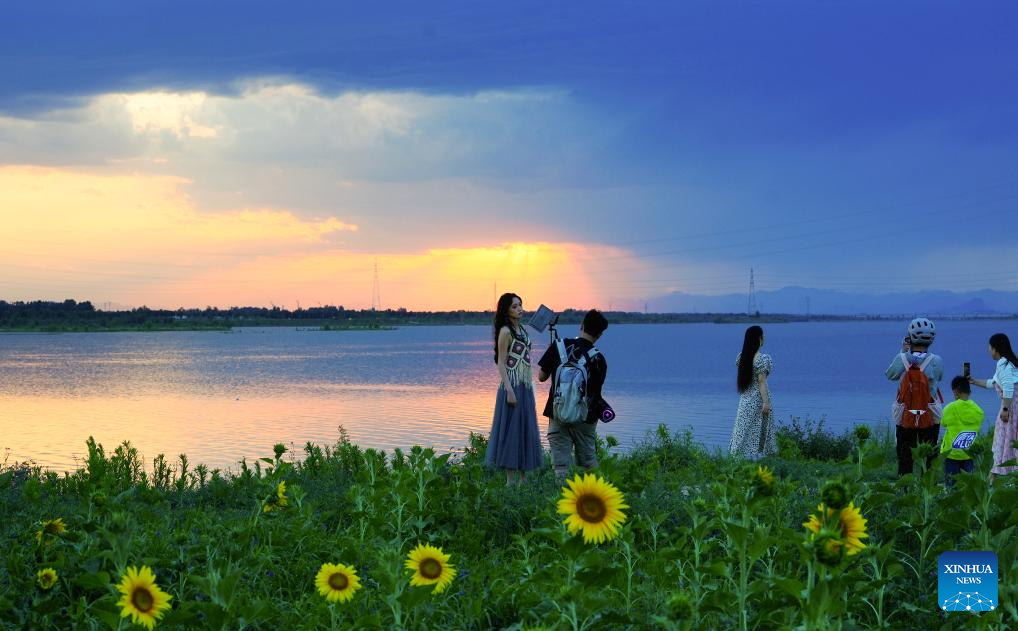
People enjoy themselves at sunset by the Hutuo River in Shijiazhuang City, north China's Hebei Province, June 8, 2026. The Shijiazhuang section of the Hutuo River is about 205 kilometers long and flows through many districts and counties of the city. It is called the "mother river" of the city. Since 2017, Shijiazhuang has implemented ecological restoration in stages along the river. Nowadays, the banks of the Hutuo River have become popular leisure destinations for local residents, while a growing number of emerging urban functions are also clustered here. (Photo by Yan Zhiguo/Xinhua)
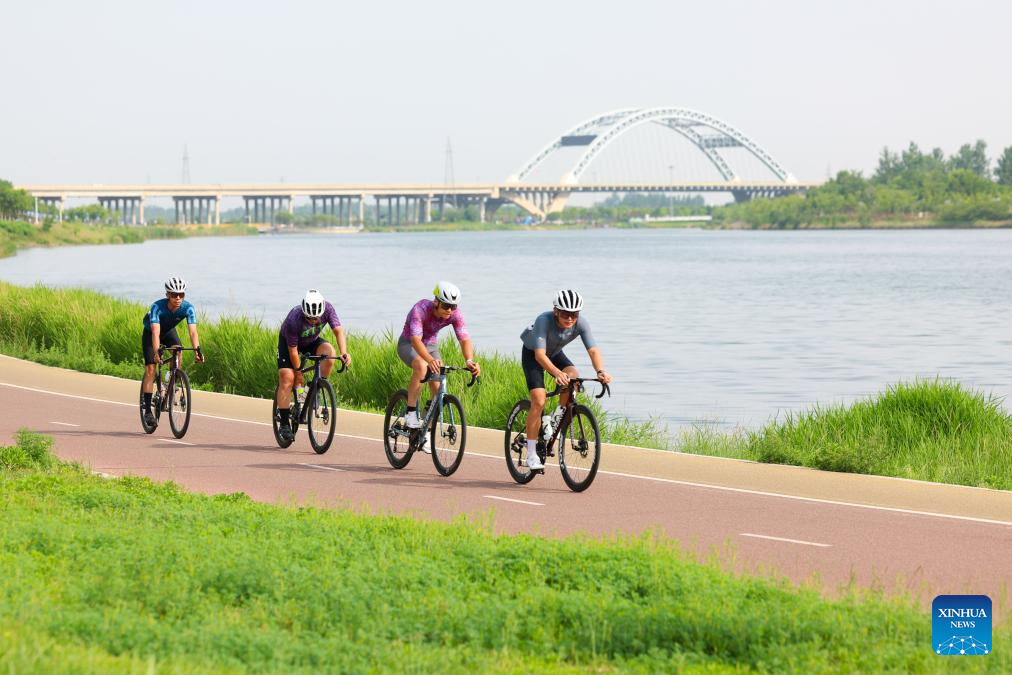
Cyclists ride by the Hutuo River in Shijiazhuang City, north China's Hebei Province, June 3, 2026. The Shijiazhuang section of the Hutuo River is about 205 kilometers long and flows through many districts and counties of the city. It is called the "mother river" of the city. Since 2017, Shijiazhuang has implemented ecological restoration in stages along the river. Nowadays, the banks of the Hutuo River have become popular leisure destinations for local residents, while a growing number of emerging urban functions are also clustered here. (Photo by Liang Zidong/Xinhua)
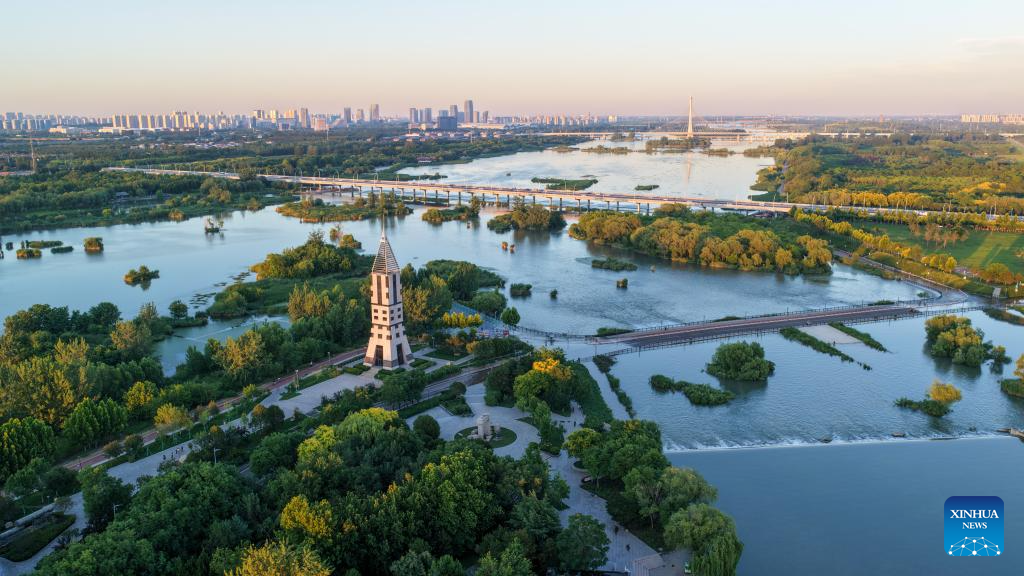
An aerial drone photo taken on June 6, 2026 shows a view along the Hutuo River in Shijiazhuang, north China's Hebei Province. The Shijiazhuang section of the Hutuo River is about 205 kilometers long and flows through many districts and counties of the city. It is called the "mother river" of the city. Since 2017, Shijiazhuang has implemented ecological restoration in stages along the river. Nowadays, the banks of the Hutuo River have become popular leisure destinations for local residents, while a growing number of emerging urban functions are also clustered here. (Photo by Liang Zidong/Xinhua)


