Moving forward, China is expected to contribute more by supporting regional dialogue mechanisms, encouraging confidence-building measures, and coordinating with international institutions to prevent escalation and preserve stability in critical maritime and energy routes.
by Kin Phea
China's Global Security Initiative (GSI) differs from traditional alliance-based approaches as it focuses more on reducing strategic confrontation and promoting dialogue-based security cooperation.
Rather than relying on military blocs or deterrence politics, the GSI emphasizes political consultation, economic connectivity, and shared development as foundations for long-term stability.
The GSI has gained support from more than 130 countries and international organizations. For many developing countries, including Cambodia, this approach holds appeal because it avoids the pressure to choose sides. The broad international support for the GSI demonstrates that many countries are searching for more inclusive and less confrontational security frameworks.
The initiative's influence is particularly visible in the Global South, where countries prioritize development and stability simultaneously.
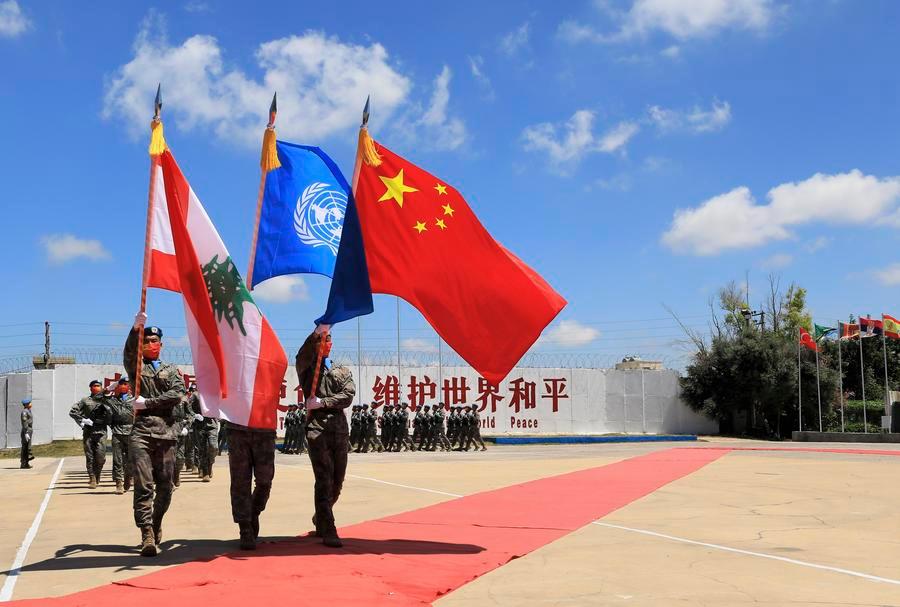
In practice, the GSI seeks to reduce tensions through diplomacy, regional cooperation, and respect for national sovereignty instead of ideological confrontation or containment strategies. China has already translated some GSI principles into practical diplomacy through mediation efforts, peace talks, counterterrorism cooperation, humanitarian assistance, and support for United Nations-centered multilateralism.
Military interventions and intensified external involvement by certain countries have increased uncertainty and strategic distrust in several regions. In many cases, such actions have prolonged conflicts, deepened geopolitical rivalry, and complicated diplomatic solutions.
Smaller and developing countries are often the most affected because instability disrupts trade, investment, food security and economic recovery. More broadly, excessive reliance on military pressure risks weakening multilateral institutions and international norms.
Sustainable regional stability requires greater emphasis on diplomacy, balanced engagement and cooperative security mechanisms rather than competitive power projection and bloc-based geopolitical confrontation.
So far, the GSI has increasingly become part of international discussions on future global security governance.
Moving forward, China is expected to contribute more by supporting regional dialogue mechanisms, encouraging confidence-building measures, and coordinating with international institutions to prevent escalation and preserve stability in critical maritime and energy routes.
Editor's note: The author is the director general of the International Relations Institute of Cambodia, a think tank under the Royal Academy of Cambodia.
The views expressed in this article are those of the author and do not necessarily reflect the positions of Xinhua News Agency.■