
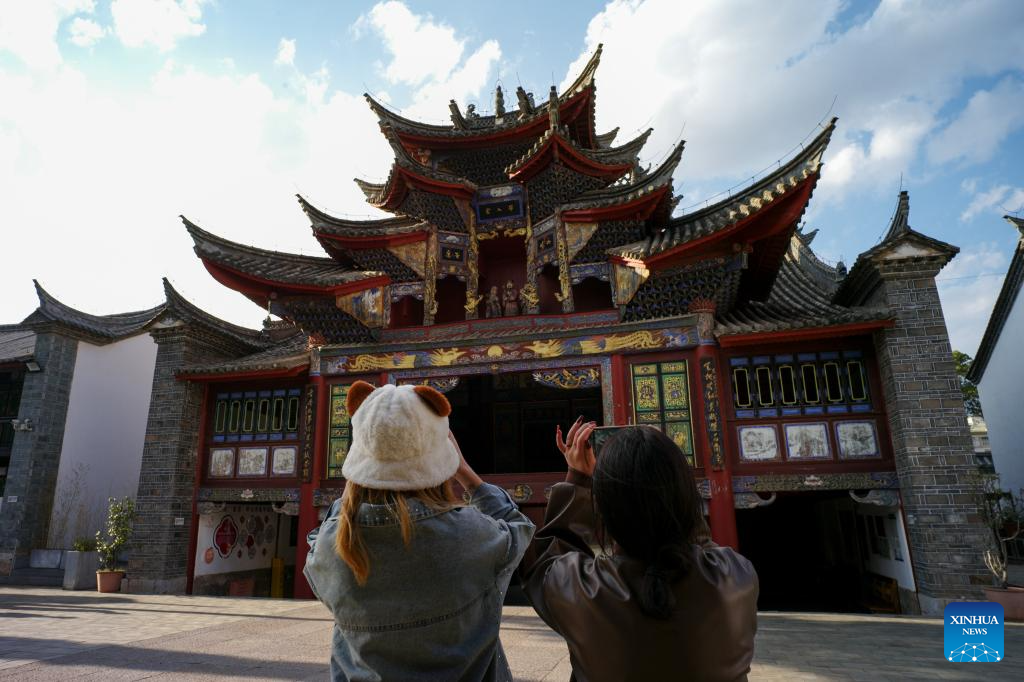
Visitors take photos of Wanshou palace, which was built in the Qing Dynasty (1644-1911), at the ancient city of Huize in Huize County, Qujing City of southwest China's Yunnan Province, March 25, 2026. Huize County in Qujing boasts a long history. Within the ancient city of Huize, more than 100 guild halls, temples, and ancestral halls still stand, while traditional residences from the Ming and Qing dynasties are scattered throughout the area.
The local government of Huize has advanced the preservation and renewal of the ancient city. The ancient buildings have been meticulously restored, while daily community life has also been preserved.
Today, this ancient town, once thriving on copper, retains the architectural charm of the Ming and Qing dynasties. At the same time, through the integration of diverse cultural and tourism experiences, its historical heritage has been brought to life, attracting a growing number of visitors. (Xinhua/Zhang Cheng)

A drone photo shows people visiting the ancient city of Huize in Huize County, Qujing City of southwest China's Yunnan Province, March 25, 2026. Huize County in Qujing boasts a long history. Within the ancient city of Huize, more than 100 guild halls, temples, and ancestral halls still stand, while traditional residences from the Ming and Qing dynasties are scattered throughout the area.
The local government of Huize has advanced the preservation and renewal of the ancient city. The ancient buildings have been meticulously restored, while daily community life has also been preserved.
Today, this ancient town, once thriving on copper, retains the architectural charm of the Ming and Qing dynasties. At the same time, through the integration of diverse cultural and tourism experiences, its historical heritage has been brought to life, attracting a growing number of visitors. (Xinhua/Peng Yikai)

A visitor dances at the ancient city of Huize in Huize County, Qujing City of southwest China's Yunnan Province, March 25, 2026. Huize County in Qujing boasts a long history. Within the ancient city of Huize, more than 100 guild halls, temples, and ancestral halls still stand, while traditional residences from the Ming and Qing dynasties are scattered throughout the area.
The local government of Huize has advanced the preservation and renewal of the ancient city. The ancient buildings have been meticulously restored, while daily community life has also been preserved.
Today, this ancient town, once thriving on copper, retains the architectural charm of the Ming and Qing dynasties. At the same time, through the integration of diverse cultural and tourism experiences, its historical heritage has been brought to life, attracting a growing number of visitors. (Xinhua/Peng Yikai)
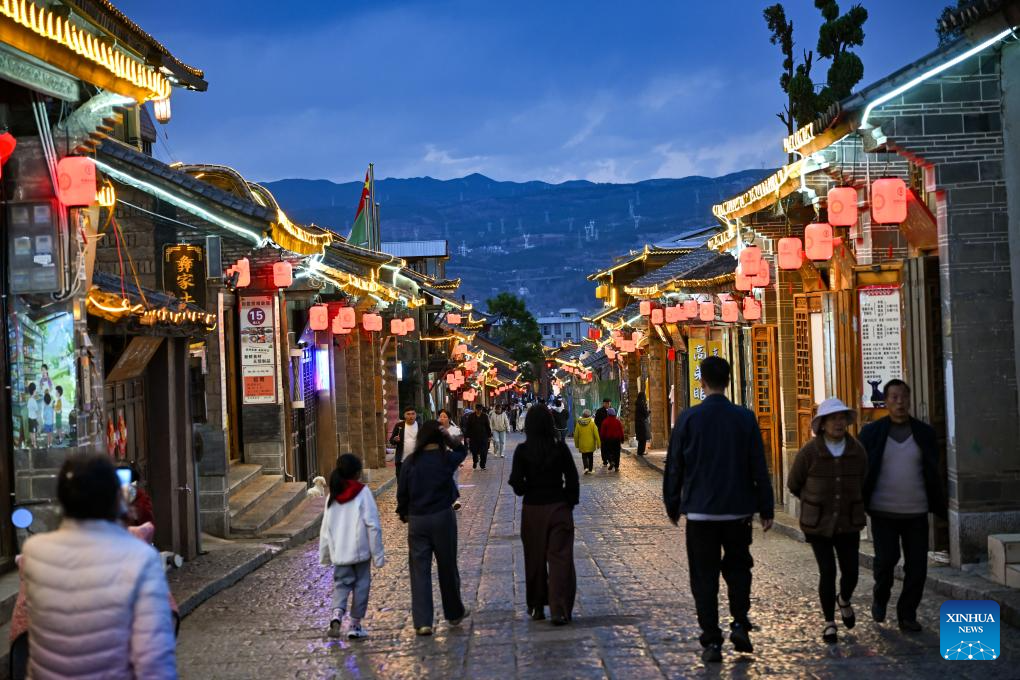
People visit the ancient city of Huize in Huize County, Qujing City of southwest China's Yunnan Province, March 25, 2026. Huize County in Qujing boasts a long history. Within the ancient city of Huize, more than 100 guild halls, temples, and ancestral halls still stand, while traditional residences from the Ming and Qing dynasties are scattered throughout the area.
The local government of Huize has advanced the preservation and renewal of the ancient city. The ancient buildings have been meticulously restored, while daily community life has also been preserved.
Today, this ancient town, once thriving on copper, retains the architectural charm of the Ming and Qing dynasties. At the same time, through the integration of diverse cultural and tourism experiences, its historical heritage has been brought to life, attracting a growing number of visitors. (Xinhua/Zhang Cheng)

People visit a lantern fair at the ancient city of Huize in Huize County, Qujing City of southwest China's Yunnan Province, March 25, 2026. Huize County in Qujing boasts a long history. Within the ancient city of Huize, more than 100 guild halls, temples, and ancestral halls still stand, while traditional residences from the Ming and Qing dynasties are scattered throughout the area.
The local government of Huize has advanced the preservation and renewal of the ancient city. The ancient buildings have been meticulously restored, while daily community life has also been preserved.
Today, this ancient town, once thriving on copper, retains the architectural charm of the Ming and Qing dynasties. At the same time, through the integration of diverse cultural and tourism experiences, its historical heritage has been brought to life, attracting a growing number of visitors. (Xinhua/Zhang Cheng)
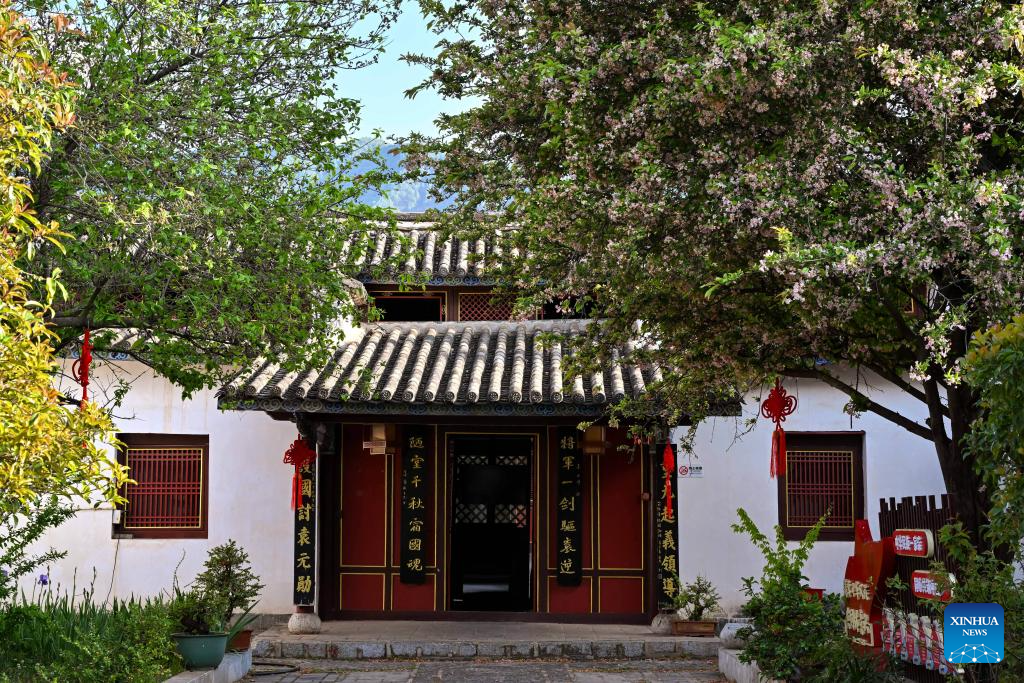
The museum of Tang Jiyao's former residence is seen at the ancient city of Huize in Huize County, Qujing City of southwest China's Yunnan Province, March 25, 2026. Huize County in Qujing boasts a long history. Within the ancient city of Huize, more than 100 guild halls, temples, and ancestral halls still stand, while traditional residences from the Ming and Qing dynasties are scattered throughout the area.
The local government of Huize has advanced the preservation and renewal of the ancient city. The ancient buildings have been meticulously restored, while daily community life has also been preserved.
Today, this ancient town, once thriving on copper, retains the architectural charm of the Ming and Qing dynasties. At the same time, through the integration of diverse cultural and tourism experiences, its historical heritage has been brought to life, attracting a growing number of visitors. (Xinhua/Zhang Cheng)
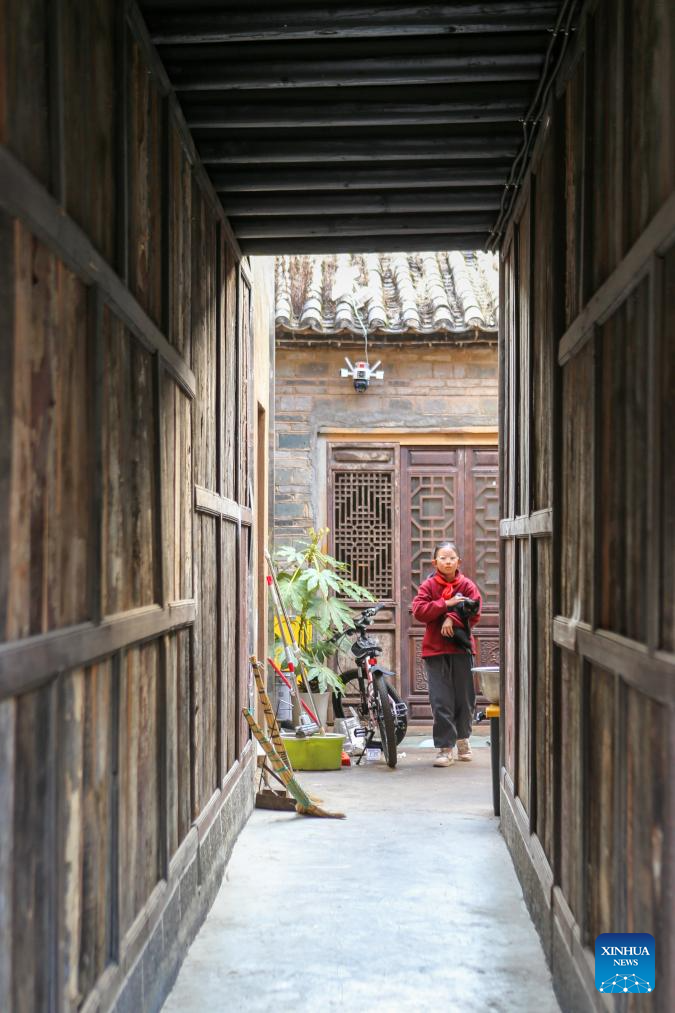
A resident walks at the ancient city of Huize in Huize County, Qujing City of southwest China's Yunnan Province, March 25, 2026. Huize County in Qujing boasts a long history. Within the ancient city of Huize, more than 100 guild halls, temples, and ancestral halls still stand, while traditional residences from the Ming and Qing dynasties are scattered throughout the area.
The local government of Huize has advanced the preservation and renewal of the ancient city. The ancient buildings have been meticulously restored, while daily community life has also been preserved.
Today, this ancient town, once thriving on copper, retains the architectural charm of the Ming and Qing dynasties. At the same time, through the integration of diverse cultural and tourism experiences, its historical heritage has been brought to life, attracting a growing number of visitors. (Xinhua/Lin Liping)
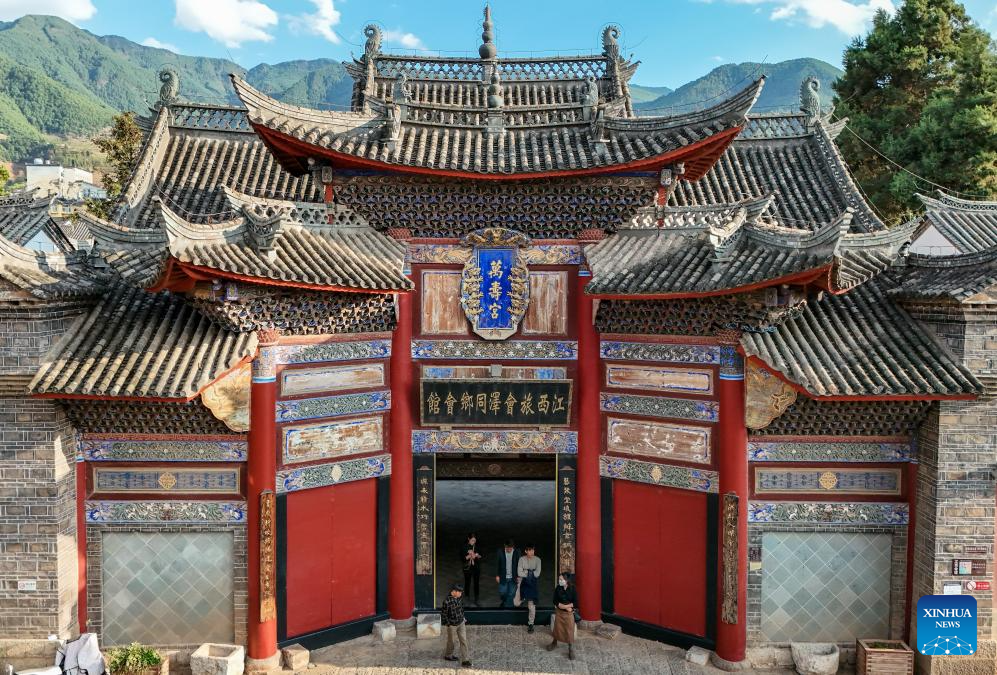
A drone photo shows people visiting the ancient city of Huize in Huize County, Qujing City of southwest China's Yunnan Province, March 25, 2026. Huize County in Qujing boasts a long history. Within the ancient city of Huize, more than 100 guild halls, temples, and ancestral halls still stand, while traditional residences from the Ming and Qing dynasties are scattered throughout the area.
The local government of Huize has advanced the preservation and renewal of the ancient city. The ancient buildings have been meticulously restored, while daily community life has also been preserved.
Today, this ancient town, once thriving on copper, retains the architectural charm of the Ming and Qing dynasties. At the same time, through the integration of diverse cultural and tourism experiences, its historical heritage has been brought to life, attracting a growing number of visitors. (Xinhua/Peng Yikai)

People visit the ancient city of Huize in Huize County, Qujing City of southwest China's Yunnan Province, March 25, 2026. Huize County in Qujing boasts a long history. Within the ancient city of Huize, more than 100 guild halls, temples, and ancestral halls still stand, while traditional residences from the Ming and Qing dynasties are scattered throughout the area.
The local government of Huize has advanced the preservation and renewal of the ancient city. The ancient buildings have been meticulously restored, while daily community life has also been preserved.
Today, this ancient town, once thriving on copper, retains the architectural charm of the Ming and Qing dynasties. At the same time, through the integration of diverse cultural and tourism experiences, its historical heritage has been brought to life, attracting a growing number of visitors. (Xinhua/Peng Yikai)
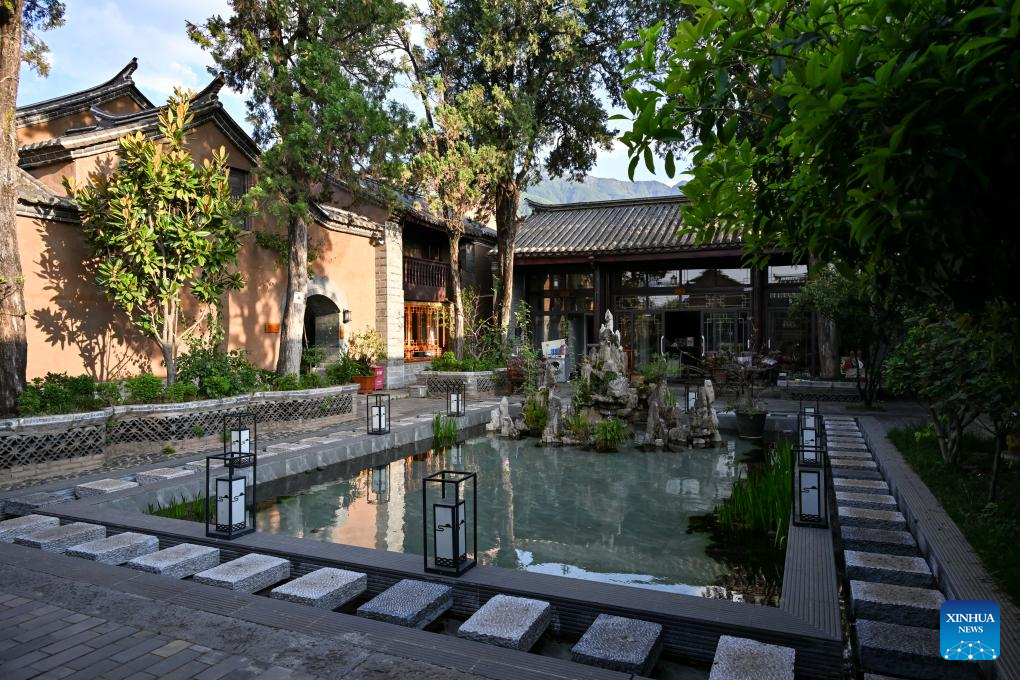
A homestay transformed from an ancient residence is seen at the ancient city of Huize in Huize County, Qujing City of southwest China's Yunnan Province, March 25, 2026. Huize County in Qujing boasts a long history. Within the ancient city of Huize, more than 100 guild halls, temples, and ancestral halls still stand, while traditional residences from the Ming and Qing dynasties are scattered throughout the area.
The local government of Huize has advanced the preservation and renewal of the ancient city. The ancient buildings have been meticulously restored, while daily community life has also been preserved.
Today, this ancient town, once thriving on copper, retains the architectural charm of the Ming and Qing dynasties. At the same time, through the integration of diverse cultural and tourism experiences, its historical heritage has been brought to life, attracting a growing number of visitors. (Xinhua/Zhang Cheng)
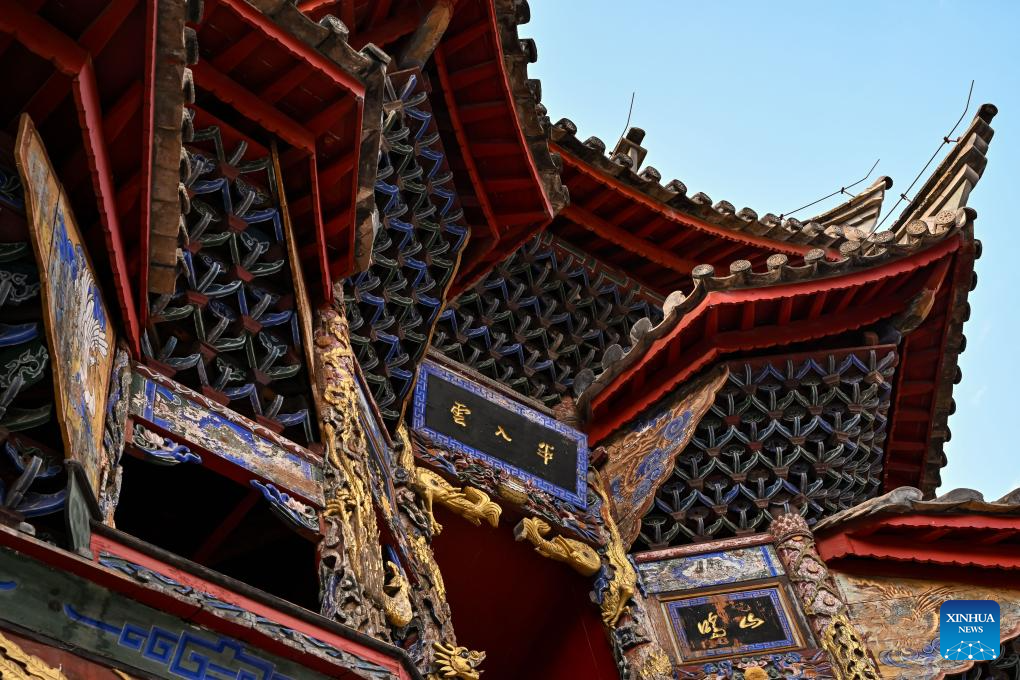
A view of Wanshou palace, which was built in the Qing Dynasty (1644-1911), is seen at the ancient city of Huize in Huize County, Qujing City of southwest China's Yunnan Province, March 25, 2026. Huize County in Qujing boasts a long history. Within the ancient city of Huize, more than 100 guild halls, temples, and ancestral halls still stand, while traditional residences from the Ming and Qing dynasties are scattered throughout the area.
The local government of Huize has advanced the preservation and renewal of the ancient city. The ancient buildings have been meticulously restored, while daily community life has also been preserved.
Today, this ancient town, once thriving on copper, retains the architectural charm of the Ming and Qing dynasties. At the same time, through the integration of diverse cultural and tourism experiences, its historical heritage has been brought to life, attracting a growing number of visitors. (Xinhua/Zhang Cheng)
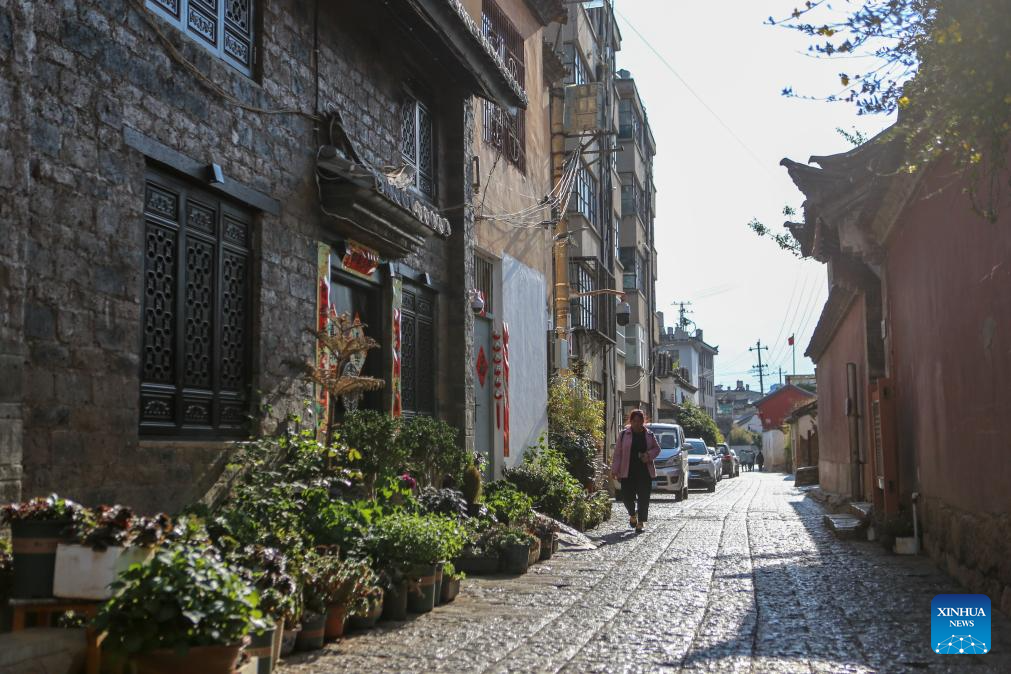
A resident walks at the ancient city of Huize in Huize County, Qujing City of southwest China's Yunnan Province, March 25, 2026. Huize County in Qujing boasts a long history. Within the ancient city of Huize, more than 100 guild halls, temples, and ancestral halls still stand, while traditional residences from the Ming and Qing dynasties are scattered throughout the area.
The local government of Huize has advanced the preservation and renewal of the ancient city. The ancient buildings have been meticulously restored, while daily community life has also been preserved.
Today, this ancient town, once thriving on copper, retains the architectural charm of the Ming and Qing dynasties. At the same time, through the integration of diverse cultural and tourism experiences, its historical heritage has been brought to life, attracting a growing number of visitors. (Xinhua/Lin Liping)

Children visit the ancient city of Huize in Huize County, Qujing City of southwest China's Yunnan Province, March 25, 2026. Huize County in Qujing boasts a long history. Within the ancient city of Huize, more than 100 guild halls, temples, and ancestral halls still stand, while traditional residences from the Ming and Qing dynasties are scattered throughout the area.
The local government of Huize has advanced the preservation and renewal of the ancient city. The ancient buildings have been meticulously restored, while daily community life has also been preserved.
Today, this ancient town, once thriving on copper, retains the architectural charm of the Ming and Qing dynasties. At the same time, through the integration of diverse cultural and tourism experiences, its historical heritage has been brought to life, attracting a growing number of visitors. (Xinhua/Peng Yikai)
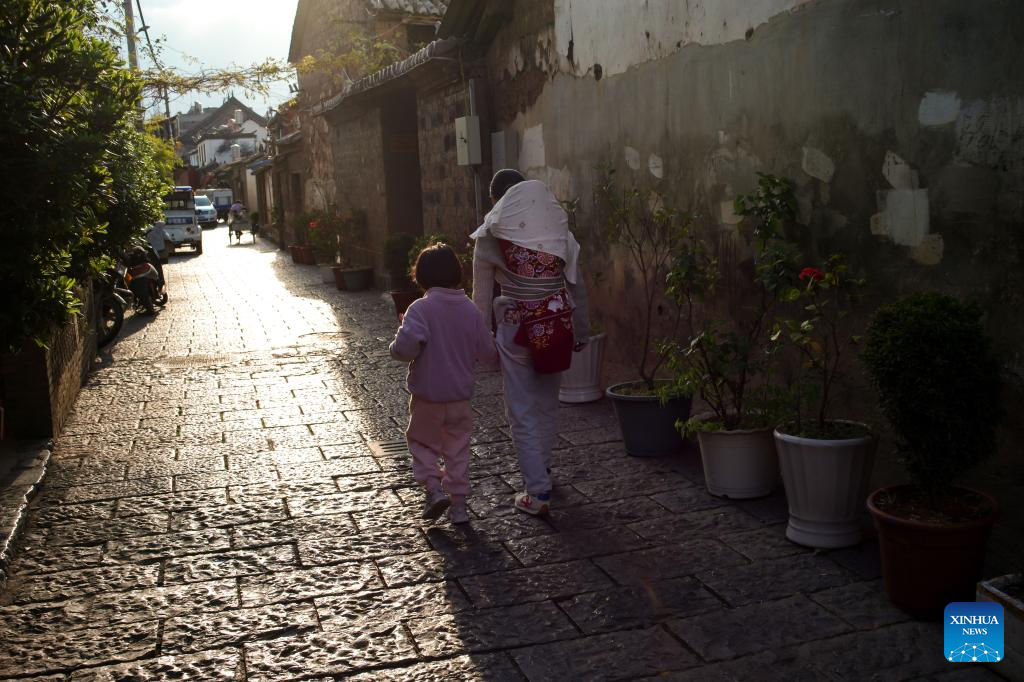
Residents walk on a street at the ancient city of Huize in Huize County, Qujing City of southwest China's Yunnan Province, March 25, 2026. Huize County in Qujing boasts a long history. Within the ancient city of Huize, more than 100 guild halls, temples, and ancestral halls still stand, while traditional residences from the Ming and Qing dynasties are scattered throughout the area.
The local government of Huize has advanced the preservation and renewal of the ancient city. The ancient buildings have been meticulously restored, while daily community life has also been preserved.
Today, this ancient town, once thriving on copper, retains the architectural charm of the Ming and Qing dynasties. At the same time, through the integration of diverse cultural and tourism experiences, its historical heritage has been brought to life, attracting a growing number of visitors. (Xinhua/Zhang Cheng)


