Szijjarto attributed the natural gas price hikes in Europe to "artificially imposed reductions in supply."
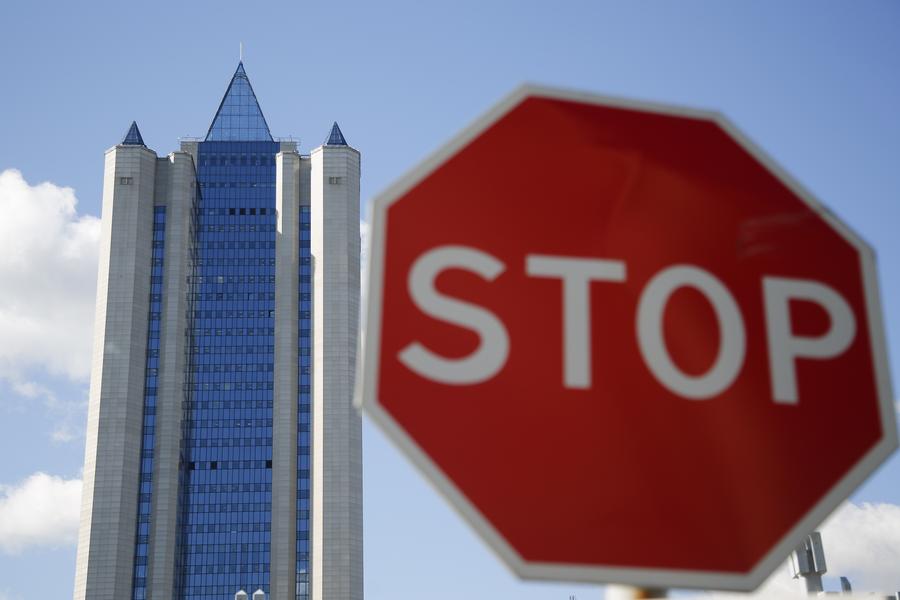
BUDAPEST, Jan. 7 (Xinhua) -- Natural gas prices in Europe have surged by 20 percent after Ukraine ceased the transit of Russian natural gas through its territory, Hungarian Minister of Foreign Affairs and Trade Peter Szijjarto said Tuesday.
Ukraine halted the transit of Russian natural gas to Europe on Jan. 1, following the expiration of a five-year transit agreement.
In a Facebook post, Szijjarto attributed the increase in natural gas prices to "artificially imposed reductions in supply," originating from political decisions and sanctions.
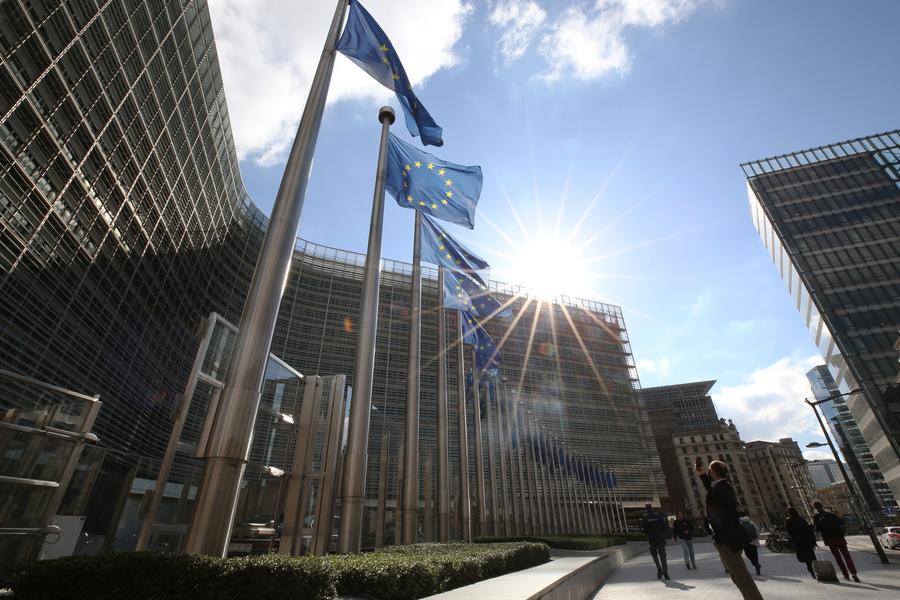
The European Union (EU)'s competitiveness has suffered significantly, said Szijjarto, adding that higher natural gas prices than those paid by global competitors are to blame.
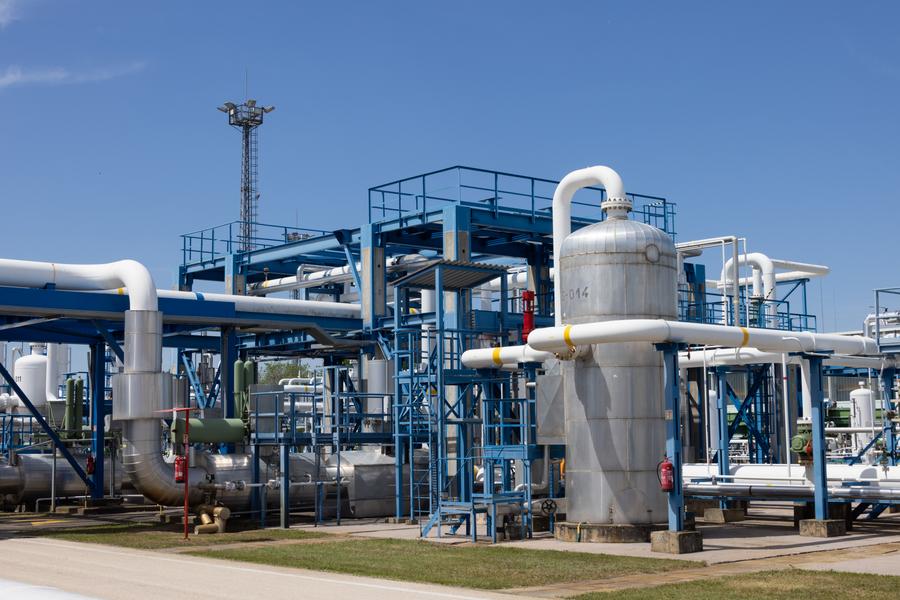
Hungary, which imports natural gas through multiple routes, has managed to maintain a secure energy supply. Szijjarto noted the strategic importance of the Turkish Stream pipeline. Without it, he said, Hungary "would now be in an extremely difficult position as a landlocked country."
In a call with his Slovak counterpart Juraj Blanar, Szijjarto called for adherence to the EU-Ukraine Association Agreement, which includes provisions for maintaining energy supply routes.
While Hungary remains committed to its energy cost reduction measures, Szijjarto said, he also warned that rising gas prices continue to create "new competitiveness challenges" for the EU.
The minister reaffirmed Hungary's intent to collaborate with regional partners to navigate these difficulties.